
Why is ozone being researched in cosmetic and aesthetic fields?
Medical ozone and ozonated products are being investigated in dermatology and aesthetic applications due to their effects on redox signaling, microcirculation, local inflammatory response, tissue repair, and wound healing. In the clinical approach, the goal is not a single promise of “rejuvenation,” but rather establishing measurable outcomes based on skin quality, tissue healing, and the individual’s aesthetic goals.
What do we know from dermatology studies?
In systematic reviews, positive clinical signals have been reported for wounds, certain infectious and inflammatory dermatological conditions, and ozonated topical products. Because the products, dosages, application methods, and follow-up periods vary across studies, more standardized studies are needed to demonstrate which approach may provide a more distinct contribution to which skin type.
Skin quality and anti-aging goals
Mechanisms such as collagen remodeling, microcirculation, inflammation, and oxidative stress are important components of skin aging. The effects of medical ozone in these biological areas are of aesthetic interest. Clinical outcomes on wrinkles, skin tone, and tissue quality must be evaluated individually based on the method used and patient selection.
Topical ozonated products
Topical products such as ozonated oil and ozonated water have been associated with positive outcomes in some wound and skin studies. Product standardization, peroxide value, storage conditions, risk of irritation, and the application area can affect the clinical outcome. In an open wound or active dermatological disease, accurate diagnosis and a wound care plan form the foundation of the application.
Eczema, psoriasis, and chronic skin diseases
In these diseases, treatment is planned according to the type of disease, its activity, triggers, and available dermatological options. Medical ozone or ozonated products may be evaluated as a complementary option supporting the local tissue environment and symptom control in selected patients; the purpose of use and monitoring criteria are determined individually.
Combination with aesthetic applications
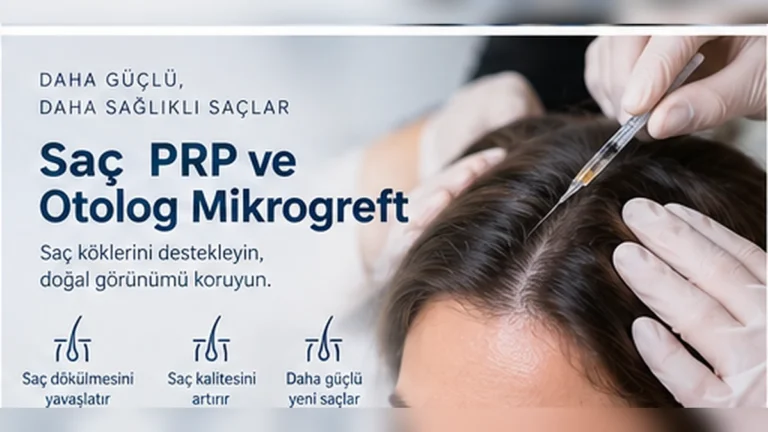
In endolifting, energy-based devices, PN/PDRN, PRP, or other aesthetic applications, tissue quality and the healing process are important. The effects of ozone on local microcirculation and redox response can be investigated in terms of a combination approach in selected protocols. If procedures are planned in the same session or in the same area, tissue safety and recovery time are taken into consideration.
Our approach at our Bodrum clinic
In a cosmetic or dermatological procedure plan, we evaluate skin type, tissue quality, previous procedures, targeted changes, and recovery time together. We position medical ozone not as a standalone promise of results, but as a complementary option that can support the skin and tissue environment in appropriate patients.
References
- Ozone Therapy for Dermatological Conditions: A Systematic Review
- Risks of ozonated oil and ozonated water on human skin: A systematic review
For general ozone applications, you can review the Ozone Therapy page; for medical aesthetic evaluations, the Endolifting page.