Muscle and healthy aging
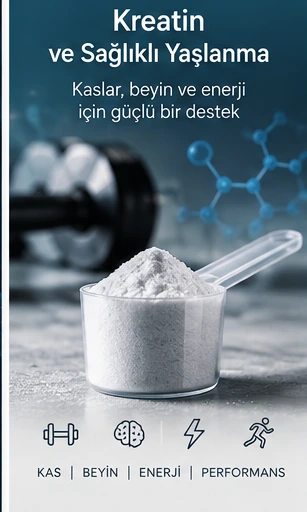
With age, muscle mass and especially muscle strength may decrease. Adequate protein, resistance exercise, and, in appropriate individuals, creatine supplementation can help slow this process. Creatine alone is not a substitute for exercise.
Brain and energy metabolism
The creatine-phosphocreatine system also plays a role in energy buffering in brain tissue. Although signals of benefit have been reported in certain conditions such as sleep deprivation or high cognitive load, it should not be considered a routine cognitive “anti-aging” treatment.
Safety
It is generally well tolerated at standard doses in healthy adults. An individualized evaluation is required in cases of kidney disease, polypharmacy, or specific clinical conditions. A change in serum creatinine may not always indicate kidney damage; the clinical context is important.
Our approach at our Bodrum clinic
We evaluate creatine alongside muscle strength, exercise routine, protein intake, and kidney function. The primary goal is to prevent sarcopenia and preserve functionality.
Muscle strength and sarcopenia → · Longevity main guide →
Last medical review: September 13, 2026