What is an ozone sauna?
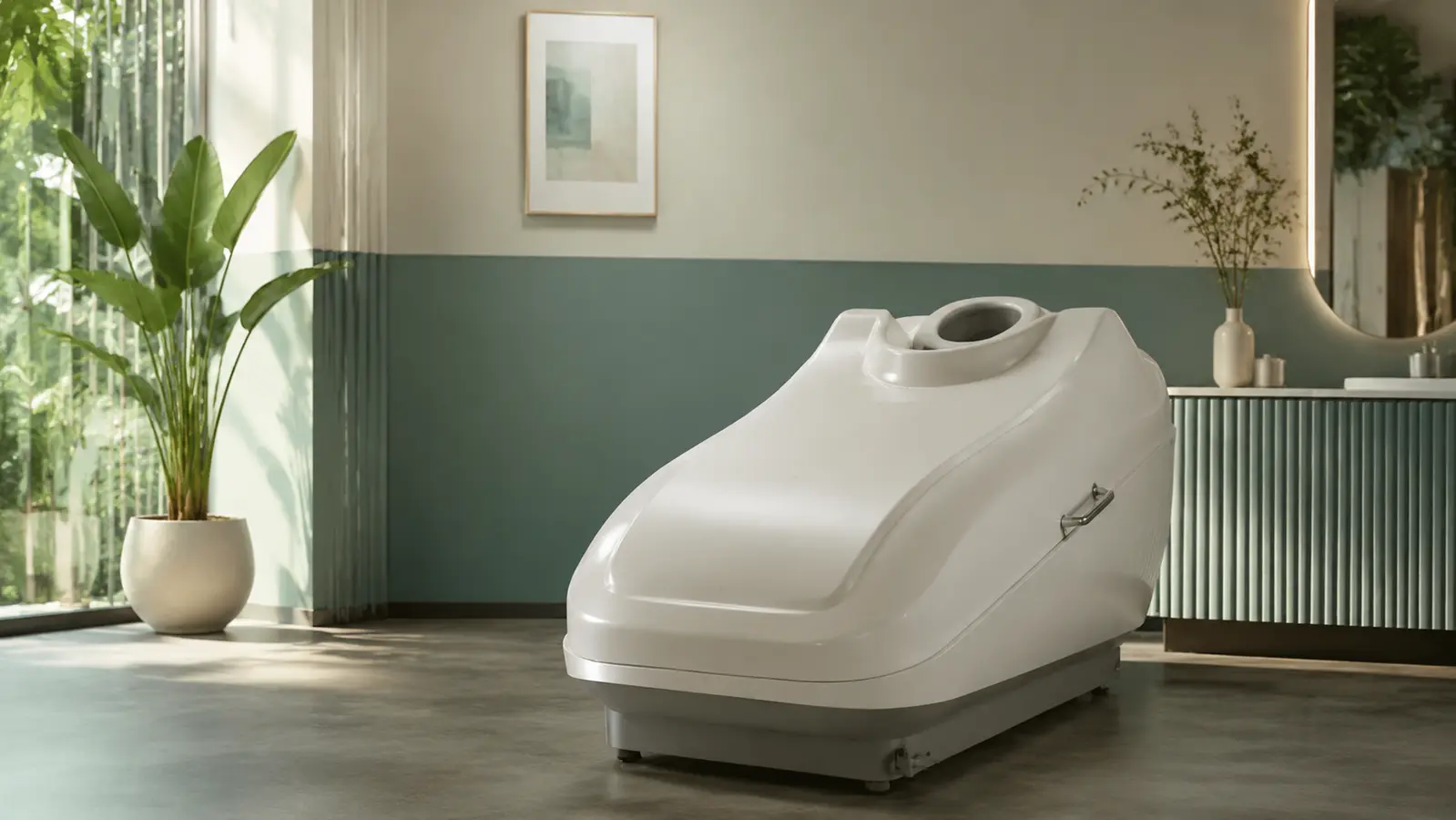
An ozone sauna is a transcutaneous cabin application in which the body—with the head remaining outside—is brought into contact with controlled heat, humidity, and an oxygen–ozone mixture. No blood is drawn; it is not the same method as major autohemotherapy or wound bagging. The physiological effects of heat, humidity, and ozone contact through the skin are evaluated together.
How is it applied?
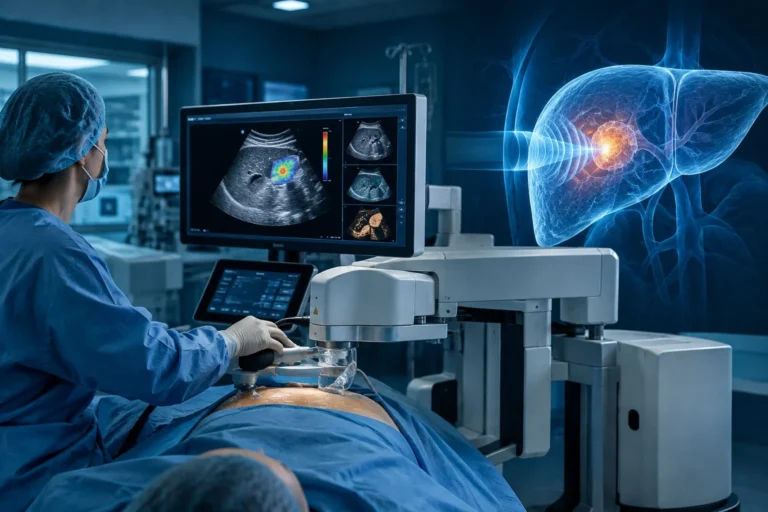
First, medical history, heat tolerance, cardiac and respiratory status, and current medications are evaluated. In individuals deemed suitable, the device’s intended use and safety conditions are taken as the basis. The head and respiratory tract remain outside the cabin; a system that prevents ozone leakage into the environment is required. The process is monitored by healthcare personnel and planned according to the individual’s tolerance.
What goals is it considered for?
Ozone sauna is mostly considered for wellness, relaxation, a sense of circulation, and recovery after exercise/a demanding lifestyle. There are small studies examining physiological responses in healthy volunteers. These studies are of interest in terms of understanding which parameters heat and transcutaneous ozone contact may affect; its scope of use in different clinical conditions is expected to be clarified through larger studies.
How are the effects of heat and ozone distinguished?
The temperature felt in the cabin and sweating affect both the heat response and the application experience. In research, comparing conditions with heat alone versus those containing oxygen–ozone helps to better understand ozone-specific physiological effects. This distinction is important for planning an application suited to personal goals.
Who requires additional evaluation?
Individual evaluation is required in cases of heat intolerance, tendency to faint, dehydration, heart and lung diseases, pregnancy, or acute illness. Ozone must not be inhaled. If respiratory distress, chest pain, or significant dizziness develops, the application is terminated and a medical evaluation is performed.
Frequently asked questions
Does it aim for the same effect as major ozone?
The routes of administration are different. While major autohemotherapy is a systemic approach via blood, ozone sauna combines transcutaneous contact, heat, and humidity components; therefore, their intended uses are evaluated separately.
Is it the same as wound bagging?
In bagging, a limited area and a local wound environment are targeted. A sauna is a different application that involves a larger skin surface, heat, and humidity.
How is it positioned in a clinical program?
Ozone sauna can be planned as a component of a wellness or supportive program after evaluating the person’s baseline health status and goals. If disease-specific medical treatments exist, they are maintained; the contribution of the application is monitored based on individual goals.
Our approach in our Bodrum clinic
In the ozone sauna plan, we evaluate the person’s cardiovascular status, hydration, heat tolerance, and application goal together. Without reducing sauna and ozone effects to a single promise of outcome, we create a personalized program with measurable goals such as relaxation and recovery.