Key points
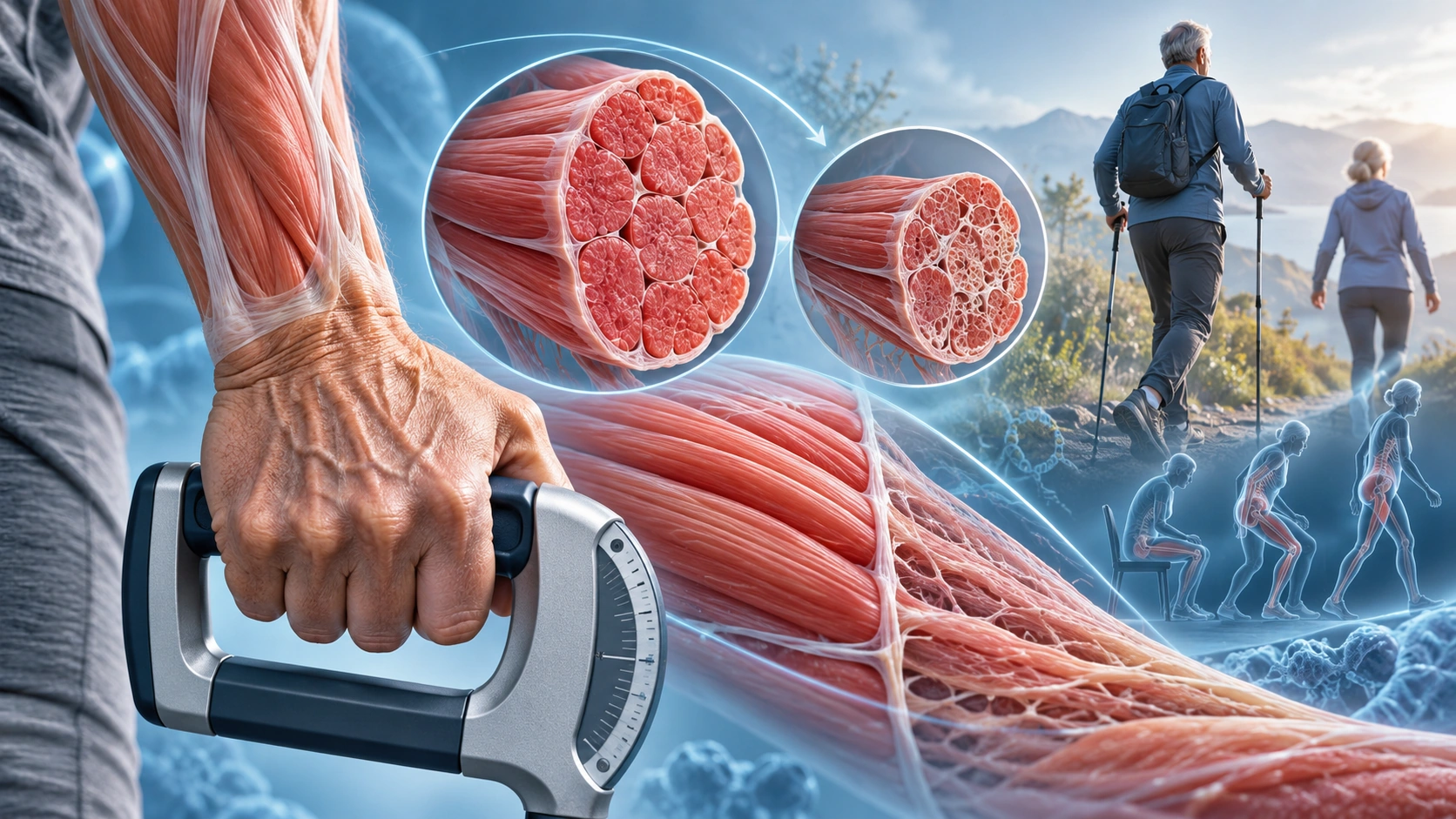
- Sarcopenia is a clinical condition associated with the loss of muscle strength and muscle function with aging; it does not merely mean low muscle mass.
- Handgrip strength is a practical and valuable measurement of muscle strength, but it does not reflect whole-body muscle function on its own.
- Muscle mass can be assessed using methods such as BIA or DXA; the device, hydration, and reference values can influence the result.
- Resistance exercise and adequate protein intake are fundamental approaches that support muscle health. Supplements should be evaluated based on individual needs.
Why is sarcopenia important?
Muscle tissue is important not only for movement, but also for glucose metabolism, balance, fall risk, daily independence, and physical endurance. As age advances, muscle loss does not occur at the same rate in everyone. Inactivity, inadequate protein and energy intake, chronic diseases, hormonal changes, and prolonged bed rest can accelerate the process.
Why is muscle strength different from muscle mass?
Even if two individuals appear to have similar muscle mass, the force they generate and their function may not be the same. For this reason, in modern sarcopenia evaluations, muscle strength and physical performance have gained greater importance than merely the amount of visualized muscle.
How is handgrip strength measured?
Grip measurement performed with a hand dynamometer is a rapid, reproducible, and clinically feasible method. However, hand dominance, device type, elbow and shoulder position, motivation, pain, and the measurement protocol can affect the result. Using the same device and a similar position in serial follow-up improves comparability.
How is muscle mass assessed?
DXA, BIA, and certain imaging modalities can provide information about muscle mass. BIA can be influenced by hydration and device algorithms. Therefore, rather than interpreting a single device output as a definitive diagnosis, it is more appropriate to evaluate it alongside muscle strength, physical performance, and clinical status.
Physical performance measurements
Gait speed, chair rise tests, short physical performance batteries, and similar functional measurements can provide additional information regarding daily capacity. A 2025 expert consensus reaffirmed the importance of using standardized protocols in muscle strength and physical performance measurements.
How can muscle health be supported?
The most robust foundational approach is regular and progressive resistance exercise. Protein intake should be individualized according to age, kidney function, total energy intake, and activity level. Creatine can support muscle performance in some adults when combined with resistance exercise. Vitamin D, B12, iron, or other supplements are evaluated particularly if there is a deficiency or clinical need.
When should muscle loss be investigated?
If there is unexpected weight loss, marked weakness, frequent falls, decreased gait speed, failure to recover after a prolonged illness, or marked loss of appetite, medical causes should be reviewed rather than attributing it solely to aging.
Our approach at our Bodrum clinic
We do not evaluate muscle health solely based on the muscle percentage from BIA. We assess handgrip strength, daily function, movement capacity, body composition, nutrition, protein intake, and laboratory data when necessary, altogether. The goal is not merely to increase a single number, but to support daily function and long-term independence.
Related content
References
- Lim SK, et al. Standardized Measurement of Muscle Strength and Physical Performance for Sarcopenia: An Expert-Based Delphi Consensus. 2025. PMID: 40495280.
Written and medically reviewed by: Dr. Kerem Çağlayan
Last medical review: September 10, 2026
Disclaimer: This content is for general informational purposes only; it does not substitute for a personal diagnosis or exercise prescription.