Key points
- In Epitalon research, telomerase, telomere biology, epigenetic regulation, and neuroendocrine rhythms stand out.
- The 2025 study reported molecular changes associated with telomere elongation in human cell lines; this study is not a clinical human treatment.
- Modern large randomized clinical trials evaluating longevity, sleep, or lifespan outcomes in humans are currently limited.
- In 2026, Epitalon was evaluated on the agenda of the FDA Pharmacy Compounding Advisory Committee; in injectable/compounded use, product quality and safety data carry distinct importance.
What is Epitalon?
Epitalon is a synthetic tetrapeptide consisting of four amino acids. It attracts interest in the longevity field particularly due to experimental research conducted on telomeres, melatonin/circadian rhythms, aging biology, and cellular stress response.
The relationship between telomeres and telomerase
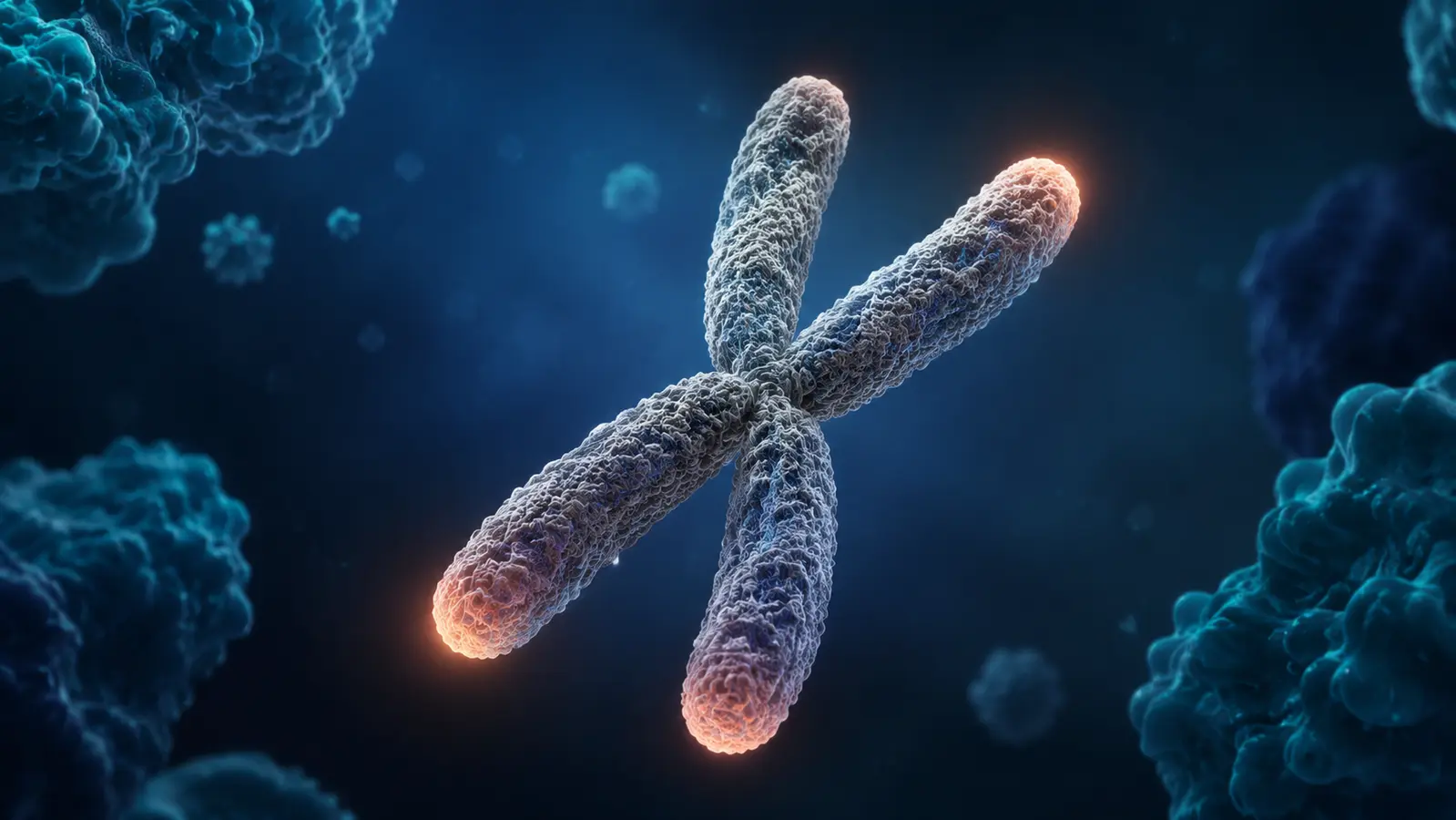
Telomeres are protective structures located at the ends of chromosomes. They can shorten during cell divisions and are one of the key components of the biology of aging. Experimental studies regarding Epitalon suggest that it may have effects on telomerase activity and telomere dynamics. A study published in 2025 reported changes in telomere length and telomerase or alternative lengthening of telomeres mechanisms following Epitalon in different human cell lines.
What does telomere elongation mean?
Telomere biology is important; however, increasing telomere length alone is not synonymous with “reversing biological age” or extending lifespan. Healthy aging requires the collective evaluation of numerous processes, such as cardiometabolic risk, muscle strength, cardiorespiratory capacity, immunity, neurological function, and cancer biology.
Sleep and circadian rhythms
The relationship of Epitalon with the pineal/neuroendocrine system and melatonin rhythms has been investigated in earlier experimental literature. This area is biologically intriguing; however, in chronic insomnia or circadian rhythm disorders, the current standard approach is to identify the cause of the sleep disturbance, utilize behavioral therapies, and, when necessary, evidence-based pharmacological options.
At what stage is human clinical data?
Although there are some older human studies and observational reports regarding Epitalon, large, independent, and long-term randomized trials meeting modern clinical standards are limited. Therefore, providing definitive clinical rates for outcomes such as extending lifespan, reducing epigenetic age, or lowering disease risk is not accurate as of today.
2026 regulatory status
Epitalon was addressed in the context of injectable compounded use during the July 2026 FDA Pharmacy Compounding Advisory Committee evaluation. Distinct from the research potential of the molecule, this process highlights the importance of product characterization, purity, sterility, immunogenicity, and human safety data. There is no FDA-approved longevity or IV treatment for Epitalon.
Our approach at our Bodrum clinic
We do not evaluate longevity peptides such as Epitalon as a singular “rejuvenation protocol.” We first determine the individual’s real goals and measurable risks; we address muscle strength, VO₂max, metabolic health, sleep, vascular health, and, when necessary, biological age indicators together. As new human clinical data regarding Epitalon develop, the true clinical place of the molecule can be reevaluated within this measurable framework.
Frequently asked questions
Does Epitalon lengthen telomeres?
In 2025, positive laboratory findings related to telomere length and telomerase/ALT mechanisms in human cell lines were published. Whether this produces the same effect as a clinical treatment in humans is a separate research question.
Does Epitalon extend lifespan?
There is insufficient modern clinical data demonstrating that it extends lifespan in humans. This field is in the research stage.
Is IV Epitalon standard?
No. There is no FDA-approved standard IV Epitalon longevity protocol.
Related content
- Healthy Aging and Longevity
- Biological Age, PhenoAge, and GrimAge
- Mitochondria and Energy Metabolism
- Main Guide to Peptide Applications
References
- Al-Dulaimi S, et al. Epitalon increases telomere length in human cell lines through telomerase upregulation or ALT activity. Biogerontology. 2025. PMID: 40908429.
- Therapeutic peptides in gerontology: mechanisms and applications for healthy aging. 2026. PMID: 42021992.
- U.S. FDA. July 23–24, 2026 Pharmacy Compounding Advisory Committee materials: Epitalon-related bulk drug substances.
Written and medically reviewed by: Dr. Kerem Çağlayan
Last medical review: September 10, 2026
Disclaimer: This content is for general medical informational purposes; it does not replace personal diagnosis or treatment recommendations.