Does it have an effect on blood pressure?
In a 2025 meta-analysis of randomized trials, aged garlic preparations were associated with an average reduction of a few mmHg in systolic blood pressure. This effect may be beneficial, but it does not replace antihypertensive treatment.
Cholesterol and triglycerides
Meta-analyses of randomized controlled trials have reported small-to-moderate improvements in total cholesterol, LDL, and triglycerides. The magnitude of the effect varies depending on the preparation used, dosage, and baseline risk.
What do antimicrobial effects mean?
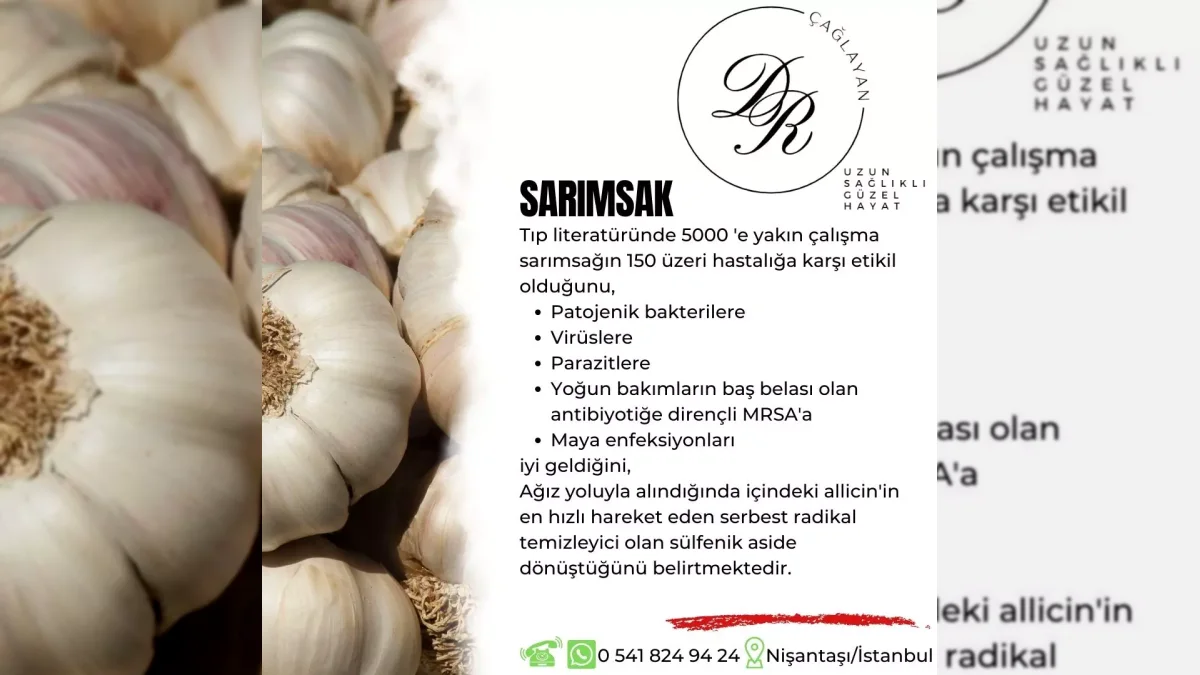
Allicin and other sulfur compounds may exhibit activity against various microorganisms in laboratory settings. However, laboratory findings do not mean that garlic can be used in place of clinical antibiotic or antifungal therapy for pneumonia, MRSA, parasitic, or fungal infections.
Safety
It is generally well tolerated in dietary amounts. High-dose supplements can cause gastrointestinal complaints and may affect bleeding risk. Caution is required in individuals taking anticoagulant or antiplatelet medications and prior to surgery.