
Key points
- The immune system is not a structure that needs to be constantly “boosted” with a single product; it is a complex defense network that must function in balance.
- Adequate sleep, a diverse diet, regular physical activity, avoiding smoking, and staying up to date with recommended vaccinations are the strongest foundational steps.
- Vitamin and mineral supplementation is meaningful when a deficiency or medical need is identified; indiscriminate high-dose use may not provide additional benefit.
What is the immune system?
The immune system is a dynamic system in which the skin and mucous membranes, innate defense mechanisms, antibodies, and immune cells work together. The goal is not only to mount a strong response against microbes, but also to limit the response when necessary and prevent damage to the body’s own tissues.
Supporting the right response rather than “boosting”
The healthiest goal for immunity is not to constantly stimulate the system, but to support its adequate, balanced, and situation-appropriate function. An excessive or inappropriate immune response can also be seen in allergies and autoimmune diseases. For this reason, an individualized evaluation is safer than recommending a popular product to everyone.
Evidence-based foundational steps
- Nutrition: Choose a diverse diet consisting of vegetables, fruits, whole grains, legumes, adequate protein, and healthy fats.
- Sleep: Regular and adequate sleep contributes to the coordination of the immune response.
- Physical activity: Incorporate sustainable physical activity appropriate for your health status into daily life.
- Vaccines: Discuss recommended vaccines with your physician based on age, occupation, and health status.
- Tobacco and alcohol: Stay away from tobacco products; if you consume alcohol, consider the health risks.
- Chronic diseases: Good management of diabetes, obesity, sleep disorders, and other chronic conditions supports defense capacity.
When are supplements considered?
If there is suspicion of a deficiency in vitamin D, B12, folate, iron, zinc, or other nutrients, a medical history, physical examination, and, when necessary, laboratory evaluation are performed first. Targeted treatment can be applied when a deficiency is identified. Multi-ingredient products marketed as “immune boosters” can interact with medications; higher doses are not always better.
IV therapies and ozone therapy
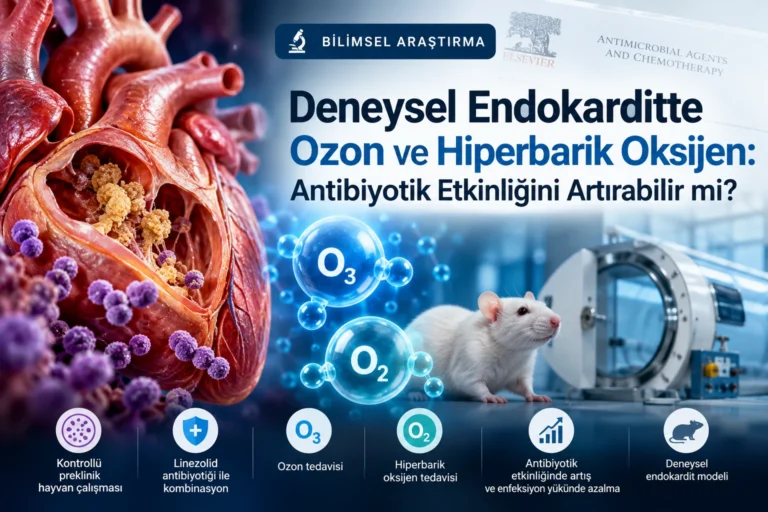
IV/infusion therapies and ozone therapy are not considered routine “immune-boosting” methods necessary for everyone. Clinical need, level of evidence, potential benefits, and risks are addressed on an individualized basis. For detailed information on vitamin C or alpha-lipoic acid, you can review the vitamin C guide and the alpha-lipoic acid guide.
The approach in our clinic
Our priority is to understand the underlying cause of complaints such as frequent infections, fatigue, or difficulty recovering. Nutrition, sleep, stress burden, medications used, and chronic diseases are evaluated together. Necessary tests and support measures are selected within a traceable plan based on genuine need.
Frequently asked questions
Does a single vitamin boost immunity?
If a specific deficiency exists, replacement can be beneficial. In a person without a deficiency, it is not accurate to say that a single vitamin provides general and definitive protection against infections.
Which tests should I have done if I get sick often?
The choice of tests varies based on age, the type and frequency of infections, medications used, and accompanying findings. Instead of a standard “immunity panel,” a targeted evaluation through a physician’s assessment is more appropriate.