Quick answer
In a pilot observational study published in the journal Medicina in 2024, eight bioresonance sessions were administered to 20 patients with irritable bowel syndrome (IBS) and chronic low back pain over approximately one month. Post-treatment positive changes were reported in Bristol Stool Form Scale, fecal calprotectin, and SF-36 quality of life measurements. Because the study did not include a control group, the results should be interpreted not as proof of causal efficacy, but as a promising clinical signal for larger controlled trials.
Why can IBS and low back pain occur together?
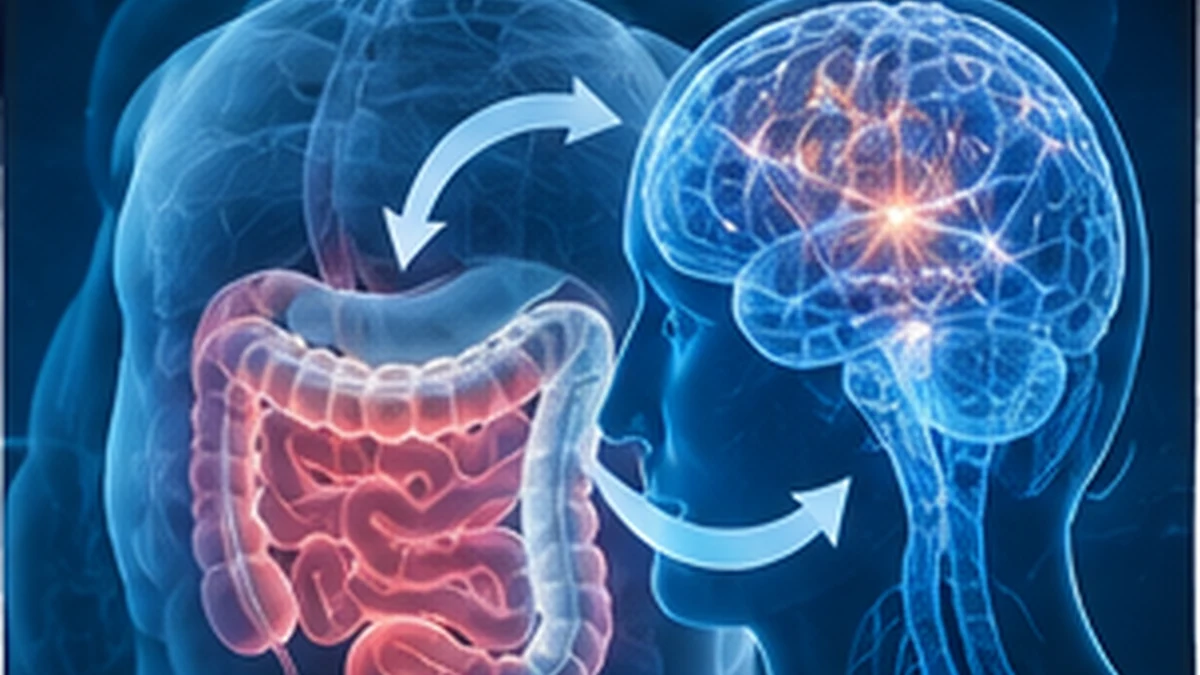
IBS is not a disorder limited solely to the bowel. The gut-brain axis, visceral sensitivity, the autonomic nervous system, stress response, pelvic and abdominal muscle behavior, and sleep quality can affect the symptom burden. Chronic low back pain can also interact with central sensitization, decreased physical activity, and stress. Therefore, it is not surprising for both conditions to be present in the same individual.
Design of the 2024 study
The study by Barassi and colleagues included 20 individuals with IBS and chronic low back pain. Participants received eight bioresonance sessions over approximately one month. Researchers evaluated stool form before and after treatment using the Bristol Stool Form Scale, a laboratory marker associated with gut inflammation using fecal calprotectin, and quality of life using the SF-36.
What results were reported?
The researchers reported overall and statistically significant improvements in the observed parameters at the end of the treatment cycle. An inverse relationship between fecal calprotectin and perceived quality of life related to IBS symptoms was also reported. The study authors found the potential of bioresonance to modulate IBS-related organic and musculoskeletal symptoms worthy of investigation.
Why is this study interesting?
The study is noteworthy in that it did not rely solely on symptom questionnaires; an objective biomarker, fecal calprotectin, was also monitored. However, calprotectin is not specific to the diagnosis of IBS, and a control group is required to demonstrate that the change in values is directly attributable to bioresonance.
Limitations of the study
- The sample size is only 20 individuals.
- There is no randomized control or sham device group.
- IBS subtypes and concomitant treatments could influence the results.
- Long-term durability data are limited.
For this reason, the research generates a new hypothesis and clinical research direction rather than a definitive treatment conclusion.
Fundamental approach in IBS treatment
In IBS, diagnosis based on Rome criteria, exclusion of alarm findings, personalized dietary modification, low-FODMAP approach when necessary, soluble fiber, symptom-directed pharmacological options, physical activity, and gut-brain-focused psychological approaches can be considered. If bioresonance is utilized, it is more appropriate to address it within this framework as a complementary option aimed at symptom and quality of life goals.
Our approach at our Bodrum clinic
When IBS and low back pain coexist, we do not evaluate based solely on the bowel or solely on the spine. Bowel movement patterns, nutrition, stress, sleep, mechanical characteristics of low back pain, mobility capacity, and, when necessary, laboratory/imaging findings are addressed together. If bioresonance is preferred, symptom, defecation, and functional criteria are established at baseline and follow-up.
Main bioresonance guide → | Pain management guide →
References
- Barassi G, et al. Quantum Medicine and Irritable Bowel Syndrome-Associated Chronic Low-Back Pain: A Pilot Observational Study on the Clinical and Bio-Psycho-Social Effects of Bioresonance Therapy. Medicina. 2024;60(7):1099. PMID: 39064528. PubMed
- Full text – PMC
Written and medically reviewed by: Dr. Kerem Çağlayan
Last medical review: September 11, 2026