The holistic structure of osteoarthritis
In addition to cartilage, subchondral bone, synovium, meniscus, muscle strength, biomechanics, weight, and metabolic inflammation affect pain. For this reason, injection therapies are only one component of the long-term plan.
How is intra-articular ozone planned?
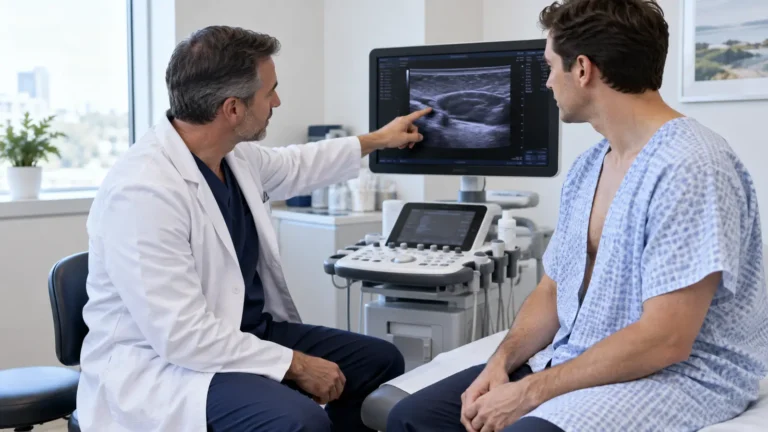
The source of pain is determined through examination and imaging when necessary. Ultrasound can help evaluate joint fluid, synovitis, and periarticular structures. The dosage and session plan for intra-articular ozone are individualized based on clinical findings.
How should the 2024 umbrella review be interpreted?
The umbrella review, which evaluated 8 systematic reviews, 15 randomized trials, and 3,685 patients, reported favorable signals regarding pain compared to placebo. Results with active comparators vary from study to study. Methodological differences highlight the importance of better standardized studies to determine which patient group may benefit more from which protocol.
Comparison with hyaluronic acid
In a 2026 randomized study, early-stage results were found to be similar, with results favoring hyaluronic acid reported in some 3–6 month measurements. In another 2025 randomized study, the HA+ozone combination was found to be superior to HA alone in certain outcomes. These data indicate that treatment should not be reduced to a single modality.
Evaluation alongside PRP and other injections
Studies comparing PRP, HA, PRGF, and ozone reported varying degrees of improvement in all groups. The appropriate option is determined based on age, grade of osteoarthritis, synovitis, mechanical issues, previous treatments, and the individual’s expectations.
The role of rehabilitation
Muscle strength, weight management, daily activity, and biomechanical corrections are central to the long-term plan. The objective of the injection can be to facilitate movement and participation in rehabilitation by reducing pain in suitable patients.
Our Approach at Our Bodrum Clinic
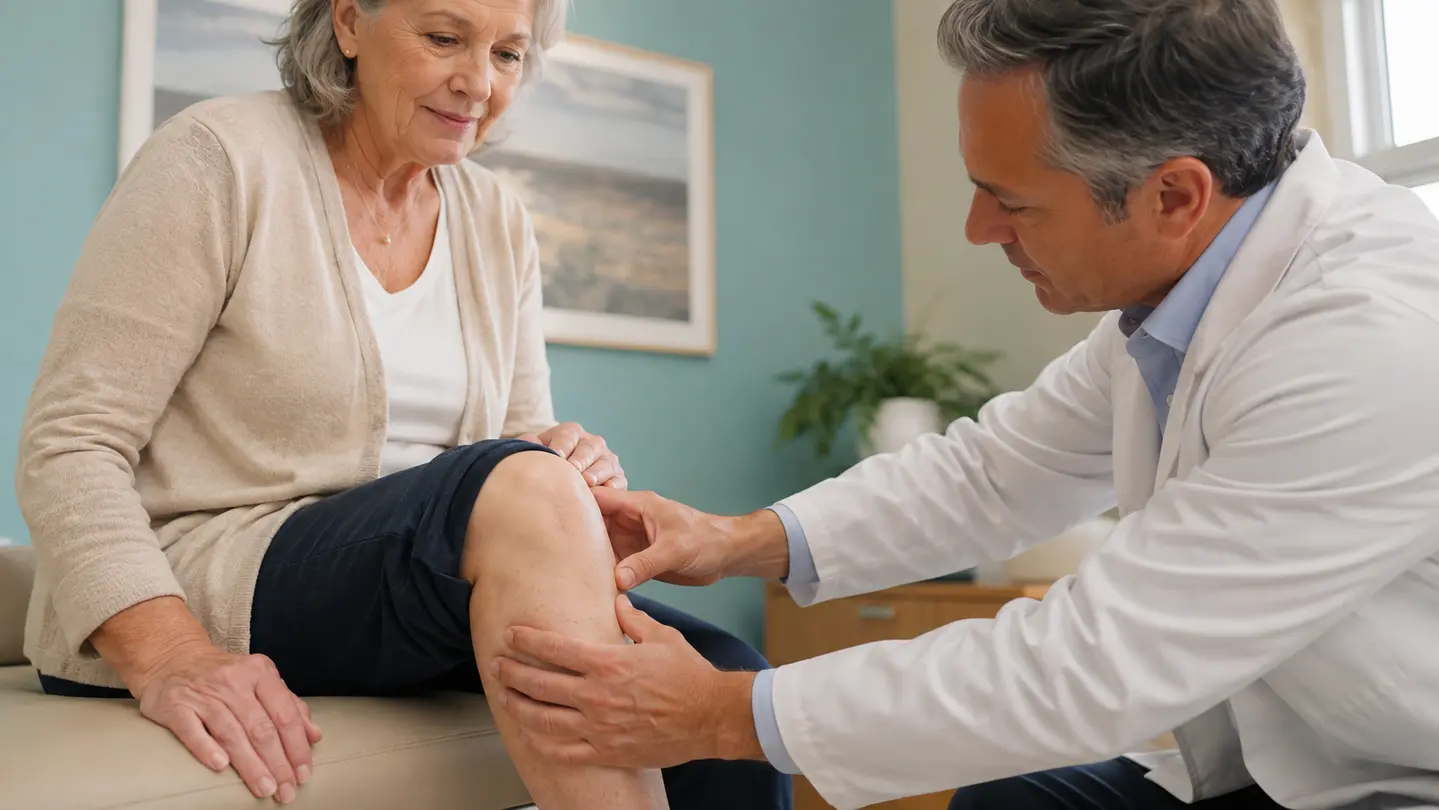
For knee pain, we first differentiate between intra-articular and extra-articular sources of pain. Following the assessment of effusion, synovitis, cartilage damage, muscle strength, and biomechanics, we individually plan whether ozone, hyaluronic acid, PRP, or other options are more appropriate.
Related ozone guides
Ozone therapy: methods and clinical approach · All ozone guides