Which types of pain has it been studied in?
PBM has been investigated in knee osteoarthritis, patellofemoral pain, certain tendinopathies, peripheral neuropathy, carpal tunnel, fibromyalgia, and various musculoskeletal pains. In 2025–2026 systematic reviews, positive signals regarding pain and function were reported in certain conditions; however, protocol differences between studies and variability in evidence quality were specifically emphasized.
How is it thought to work?
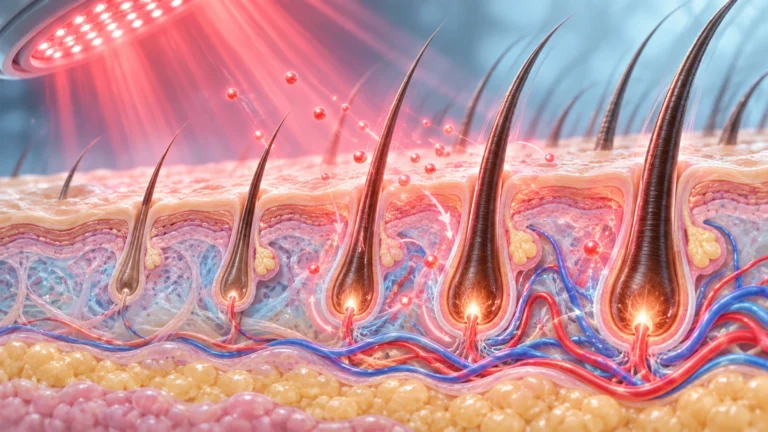
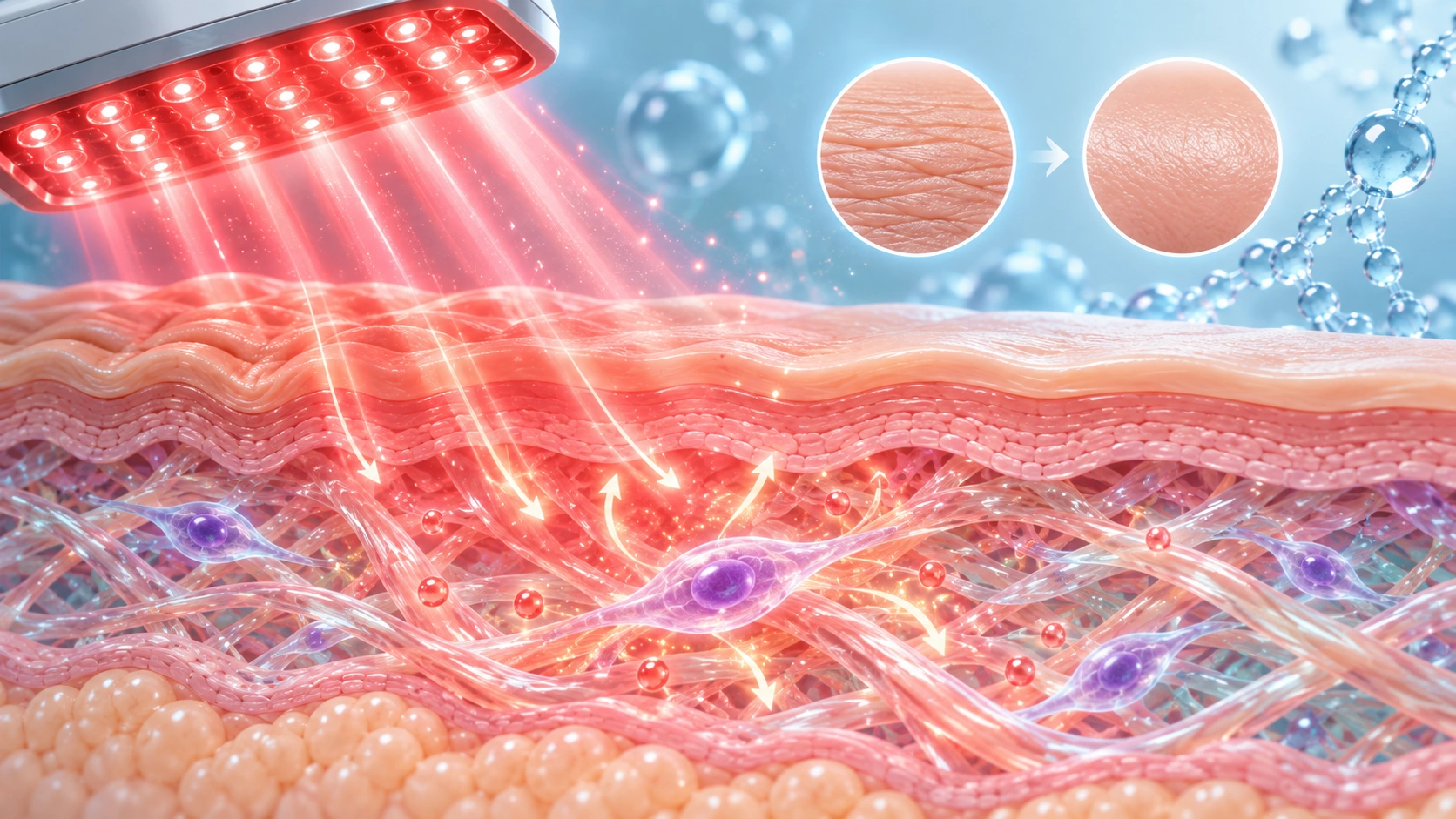
Low-level red and near-infrared light is thought to potentially affect cellular energy metabolism, inflammatory signals, and local tissue responses. These mechanisms may contribute to pain modulation; however, this does not mean it eliminates the cause of the pain on its own.
Why is the dose important?
In photobiomodulation, power density, total energy (J/cm²), treatment area, session frequency, and tissue depth are just as important as wavelength. A higher dose does not always yield better results. Especially with home devices, there may be a difference between manufacturer data and the actual dose reaching the tissue.
Is it used alongside exercise?
In many musculoskeletal pain conditions, the primary treatment consists of movement, strengthening, and rehabilitation. In some patients, PBM can be added as a complement to these approaches. For instance, in patellofemoral pain studies, improvements in pain and function were reported when used in combination with exercise; however, study quality is heterogeneous.
Our approach at our Bodrum clinic
We do not use red light/PBM as a substitute for a pain diagnosis. First, the source of the pain, neurological findings, joint/tendon issues, and physical capacity are evaluated. In suitable individuals, within the Pain Treatment plan, Photobiomodulation may be one of the supportive options.
Frequently asked questions
Does red light completely eliminate chronic pain?
Improvements in pain and function may be observed in some individuals; however, because chronic pain is multifactorial, it should not be expected to provide a permanent and complete solution on its own.
Can it be used for neuropathic pain?
There are positive clinical data in the field of peripheral neuropathy. Even so, the underlying cause of the neuropathy and accompanying conditions such as diabetes, vitamin deficiency, or nerve compression should be evaluated separately.
References
- Evidence-based consensus on PBM, 2025
- Photobiomodulation in chronic pain: systematic review of RCTs, 2026
- PBM in patellofemoral pain: systematic review and meta-analysis, 2025
Written and medically reviewed by: Dr. Kerem Çağlayan
Last medical review: September 10, 2026