
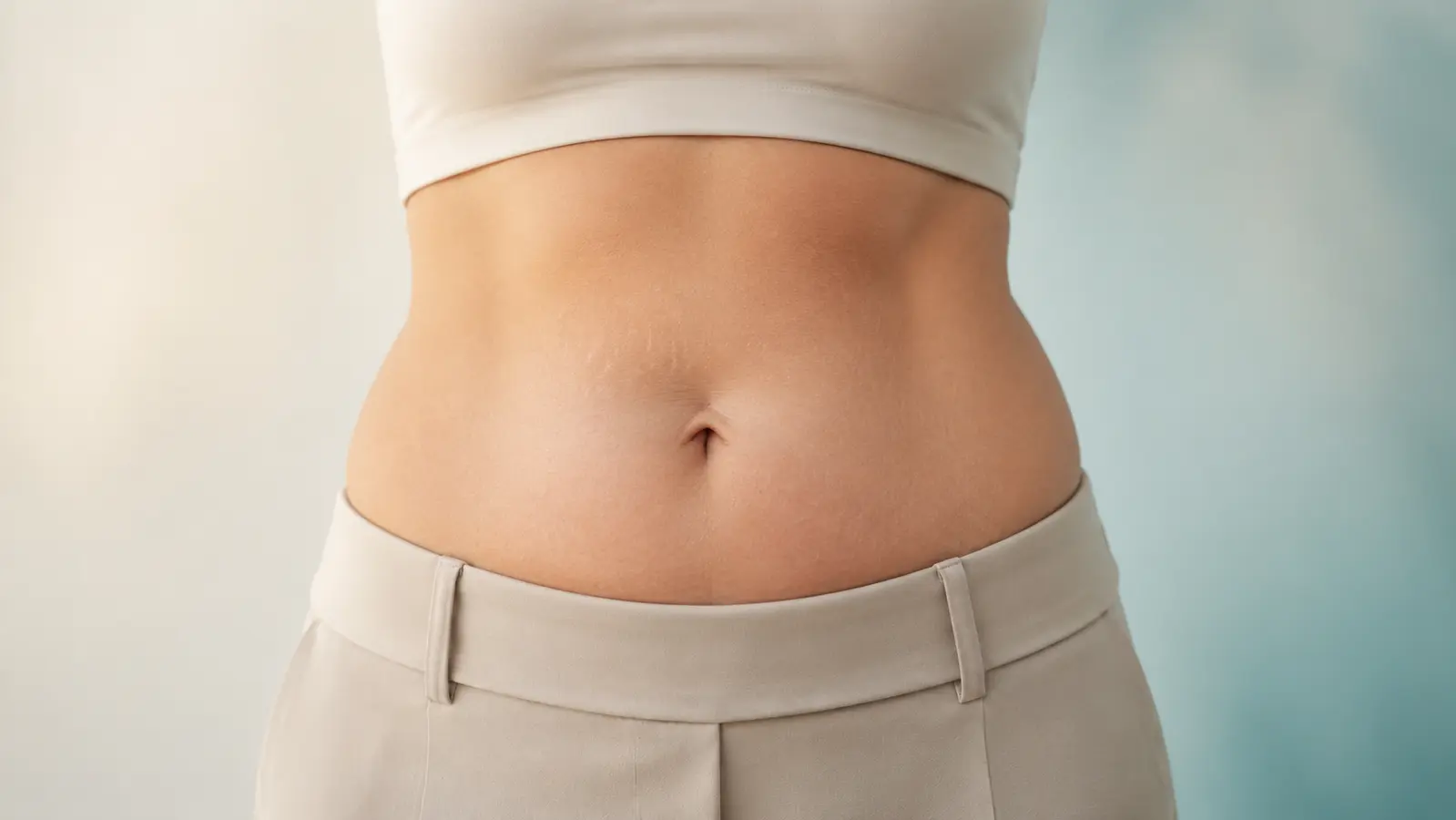
The appearance of the abdominal area cannot be explained solely by the amount of subcutaneous fat. Skin laxity, visceral adiposity, abdominal wall structure, diastasis, hernia, and previous surgeries must be evaluated together. This distinction is important to accurately determine the expected outcome from Endolifting.
Who can be evaluated for Abdominal Endolifting?
It can be evaluated for local contouring and tissue tightening in selected individuals with relatively stable weight, limited subcutaneous adiposity, and mild to moderate skin laxity. In individuals with large-volume adiposity, significant skin excess, or abdominal wall problems, different methods may be more appropriate.
Subcutaneous fat and visceral fat are not the same thing
Endolifting is applied to the target tissues beneath the skin. It is not a method that reduces intra-abdominal visceral fat. In abdominal obesity with metabolic risk, weight management, nutrition, physical activity, and medical treatment when necessary should be evaluated separately.
Which conditions should be differentiated in the postpartum abdomen?
Postpartum skin laxity and rectus diastasis are not the same condition. Endolifting does not bring abdominal muscles together. If an umbilical hernia, significant diastasis, or excess skin is present, physical examination and surgical evaluation when necessary may be a more appropriate approach.
What do the studies show?
A 2024 systematic review summarized studies reporting positive outcomes for intralesional 1470 nm laser in selected areas of localized adiposity and skin laxity. A 2025 scoping review, however, showed that the vast majority of publications consist of case series and that there is significant heterogeneity regarding energy, fiber technique, and patient selection. For this reason, giving a definite percentage of reduction or a standard duration of persistence in the abdominal area is not accurate.
Procedure and recovery
If deemed appropriate, controlled laser energy is delivered to the target plane beneath the skin using a thin fiber. Local anesthesia may be used depending on the scope of the procedure. Edema, tenderness, bruising, and temporary tightness may occur during the first few days. The return to daily activities is rapid for most individuals; recommendations for strenuous exercise and regional care are planned according to the scope of the procedure.
Safety
If active infection, significant bleeding risk, uncontrolled systemic disease, significant hernia, or healing problems are present, the procedure may be postponed. Complications such as burns, infection, contour irregularities, seroma, pigmentary changes, and nerve involvement are possible, although rare.
Our approach at our Bodrum clinic
In the abdominal area, we first differentiate whether the primary issue is skin laxity, subcutaneous fat, visceral fat, diastasis, or hernia. In suitable cases, Endolifting can be evaluated on its own; for larger volumes, liposuction, RF-based methods, or surgical options are compared.
Frequently asked questions
Does it melt belly fat and cause weight loss?
No. Regional contouring goals are different from total weight loss. A metabolic approach is required for visceral adiposity.
Can it be applied for postpartum laxity?
It can be evaluated if skin laxity is limited. If significant diastasis or excess skin is present, different options may be more appropriate.
Is a single session sufficient?
There is no single standard. The follow-up plan is personalized according to tissue response and goals.
Related content
Endolifting general guide · Difference between Endolifting and laser lipolysis · Endolifting safety
References
- Nilforoushzadeh MA et al. The Endo-lift Laser (Intralesional 1470 nm Diode Laser) for Dermatological Aesthetic Conditions: A Systematic Review. Aesthetic Plast Surg. 2024. PMID: 38886198.
- Vidal GP et al. Scientific evidence on the impact of endolaser in aesthetics: scoping review. Lasers Med Sci. 2025. PMID: 40116960.


