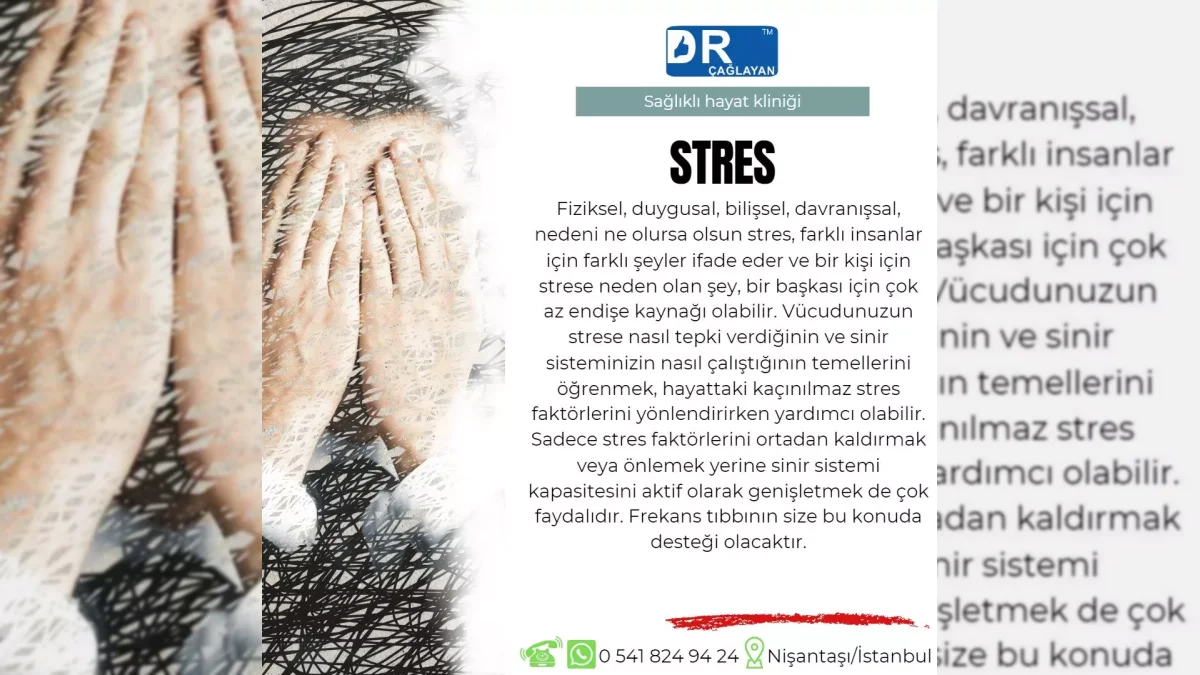
How does the stress response work?
The perception of a threat can alter heart rate, respiration, and attention levels via the sympathetic nervous system and the hypothalamic-pituitary-adrenal axis. When the threat is gone, the parasympathetic system contributes to recovery. The goal is not to “turn off the sympathetic system,” but to flexibly transition between activation and recovery.
The most powerful steps in stress management
- Regular physical activity
- Adequate and regular sleep
- Limiting caffeine and alcohol
- Breathing, relaxation, or mindfulness exercises
- Social support and psychotherapy if needed
- Breaking down the source of stress into small and manageable steps
What is HRV biofeedback?
HRV biofeedback aims to train autonomic self-regulation using real-time feedback of respiration and heart rate variability. It can be a helpful tool in stress management; however, it does not replace psychiatric diagnosis or treatment.
Neurofeedback and bioresonance
Neurofeedback can be evaluated for certain self-regulation and attention goals. Clinical evidence for bioresonance in stress treatment is more limited; therefore, it should be addressed within a complementary framework and with its evidentiary limitations clearly stated.
When is professional support needed?
A professional evaluation is required if stress has become persistent, significantly impairs sleep and functioning, or is accompanied by panic, depression, substance use, or thoughts of self-harm.