
What are the typical features of migraine?
Migraine pain is often a throbbing, moderate-to-severe headache that worsens with daily activity. It may be one-sided, but it does not always have to be. Nausea, vomiting, or sensitivity to light or sound may accompany it. Some people may experience temporary visual, sensory, or language-related aura symptoms before the pain.
Is the “root cause” of migraine a single food or vitamin deficiency?
Generally, no. Migraine is a complex neurological condition associated with the interaction of genetic predisposition, the trigeminovascular system, neuropeptides such as CGRP, and brain networks. Irregular sleep, stress, skipping meals, alcohol, hormonal changes, and certain foods specific to an individual can trigger an attack; however, it is not correct to consider gluten, histamine, or a particular vitamin deficiency the “underlying cause” in every patient. Personal triggers can be evaluated more reliably with a regularly kept diary or headache diary.
When is imaging needed?
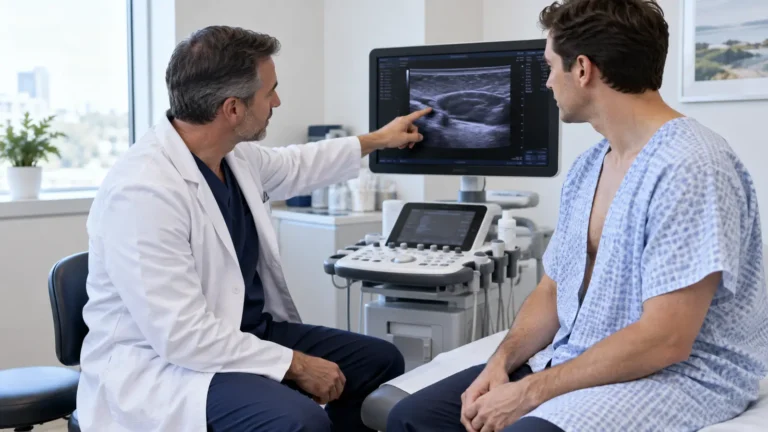
Routine brain imaging is often unnecessary in a person with a typical history consistent with migraine, a normal neurological examination, and no new red flags. In contrast, a first headache or the most severe headache of one’s life, a marked change in its character, progressively increasing frequency/severity, a new neurological finding, onset after trauma, fever or signs of infection, a history of cancer, or a new-onset unusual headache at an older age requires more detailed evaluation.
How is an acute migraine attack treated?
Acute treatment is planned according to the severity of the attack and the person’s previous response. NSAIDs, acetaminophen, triptans, and some newer migraine-specific treatments may be considered in appropriate patients. The 2025 American College of Physicians guideline addresses different pharmacological options for acute episodic migraine comparatively. Medication selection should be based on cardiovascular status, pregnancy, other medications, and attack characteristics.
When is preventive treatment considered?
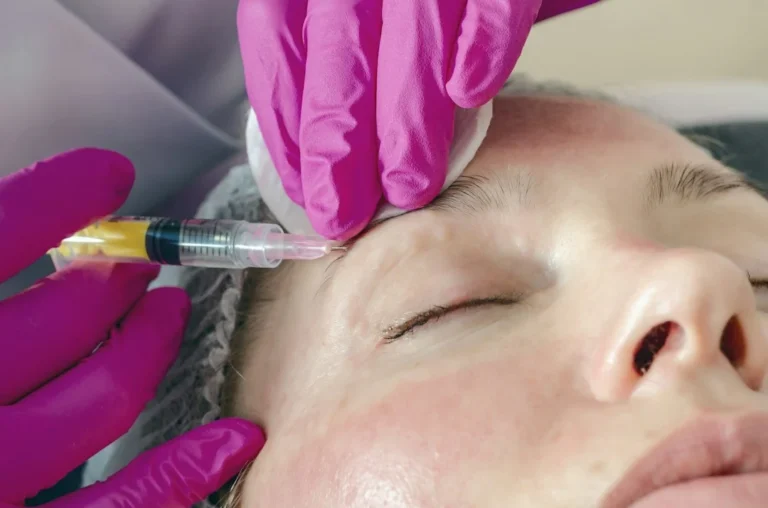
Preventive treatment may be considered when attacks are frequent, prolonged, or significantly affect daily life, or when acute treatment is inadequate or overused. Beta blockers, topiramate, certain antidepressants, botulinum toxin, and CGRP-targeted treatments are among the options for appropriate patient groups. The American Headache Society has stated that CGRP-targeted treatments can be considered among first-line options for migraine prevention without first waiting for other classes to fail.
Medication-overuse headache
Using acute migraine medications too frequently can increase headache frequency in some people and contribute to chronicity. The number of days acute medication is used should be tracked along with the number of days with pain per month. A headache diary is therefore an important part of the treatment plan.
Magnesium, riboflavin, and lifestyle
Regular sleep, adequate fluids, regular meals, physical activity, and recognizing personal triggers can support migraine management. Certain nutritional supplements, such as magnesium and riboflavin, have been studied for migraine prevention, and positive results have been reported in some patient groups. The decision to use them should be evaluated in conjunction with personal health status, dose, kidney function, and other products being used.
The role of bioresonance and other complementary approaches
Bioresonance, acupuncture, relaxation methods, and various neuromodulation approaches may be chosen by people with migraine. The level of clinical data for these methods varies. High-quality migraine-specific clinical data for bioresonance remain limited; if a person has a preferred complementary approach, it is more appropriate to consider it alongside the overall plan rather than as a replacement for standard migraine treatment.
Our approach at our Bodrum clinic
In migraine evaluation, pain frequency, duration, aura, nausea, acute medications used, sleep, hormonal phases, stress, and other headache types are considered together. Rather than recommending broad test panels or imaging unless necessary, we prefer to identify red flags and monitor treatment response using a headache diary that provides measurable data. In an appropriate patient, preventive treatment, nutritional supplements, or complementary methods can be planned according to personal goals.
For a general approach to chronic pain, you can review the Pain Treatment guide.
Frequently asked questions
Is an MRI always needed for migraine?
With a typical migraine history, a normal neurological examination, and no red flags, routine imaging may not be necessary for most people. The evaluation changes if there are new or unusual features.
Is migraine caused only by food sensitivity?
The cause of migraine is usually not a single food. There may be certain personal triggers; identifying them with a headache diary is more useful than using broad and unnecessary lists of restrictions.
For whom are new CGRP medications considered?
CGRP-targeted medications may be among the preventive options for episodic or chronic migraine. Suitability is assessed in conjunction with attack frequency, previous treatments, coexisting conditions, pregnancy plans, accessibility, and the person’s preferences.
References
- Qaseem A, et al. Pharmacologic Treatments of Acute Episodic Migraine Headache in Outpatient Settings: A Clinical Guideline From the American College of Physicians. Ann Intern Med. 2025. PMID: 40096690.
- Qaseem A, et al. Prevention of Episodic Migraine Headache Using Pharmacologic Treatments in Outpatient Settings. Ann Intern Med. 2025. PMID: 39899861.
- Charles AC, et al. CGRP-targeting therapies are a first-line option for the prevention of migraine: American Headache Society position statement update. Headache. 2024. PMID: 38466028.
- Evans RW, et al. Neuroimaging for Migraine: American Headache Society Systematic Review and Evidence-Based Guideline. Headache. 2020. PMID: 31891197.
Written and medically reviewed by: Dr. Kerem Çağlayan
Last medical review: 10 September 2026
Disclaimer: This content is general health information; it is not a recommendation for individual diagnosis or treatment.