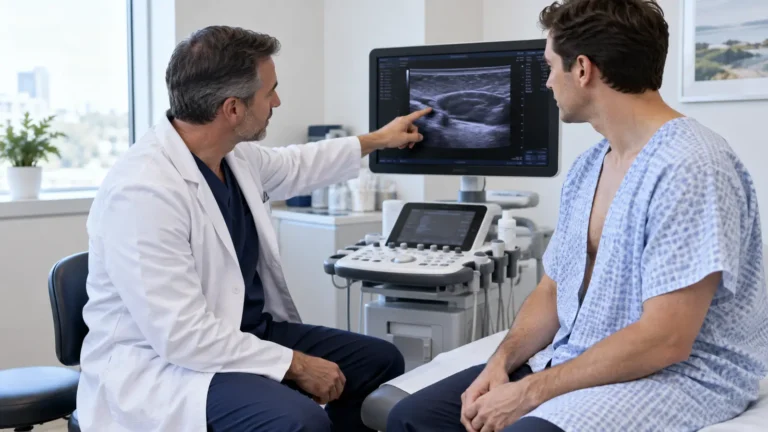

Holistic evaluation in diabetes
In diabetes, not only fasting blood sugar; HbA1c, blood pressure, kidney function, eye and foot health, lipid profile, body composition, and cardiovascular risk are evaluated together. Nutrition, physical activity, sleep, stress, and medication treatments are addressed as mutually influencing components.
For which goals can bioresonance be evaluated?
In bioresonance applications, a feedback approach based on electromagnetic signals associated with metabolism, stress, and eating behavior is used. If an application is considered in an individual with diabetes, the most meaningful targets are complementary areas such as adherence to the lifestyle plan, the stress-eating relationship, sleep patterns, and overall well-being.
There are not yet large controlled human studies showing that bioresonance directly alters pancreatic beta-cell function, insulin resistance, or HbA1c. Therefore, when evaluating potential contributions, it is important to monitor glucose, HbA1c, and other objective metabolic indicators within standard follow-up.
Metabolic treatment plan
Nutrition, resistance and aerobic exercise, sleep, smoking cessation, and appropriate medication options are personalized according to diabetes type, age, hypoglycemia risk, kidney-heart status, and weight goals. In type 1 diabetes, insulin therapy is an essential requirement; in type 2 diabetes, treatment selection is made together with cardiorenal and weight goals.
Our approach at our Bodrum clinic
When bioresonance is preferred, we approach it not as an alternative to glycemic monitoring, but as a complementary application that can support the individual’s lifestyle and behavioral goals. We evaluate the contribution of sessions together with subjective well-being as well as CGM/home measurements, HbA1c, waist circumference, and other metabolic indicators.
Safety
Insulin or diabetes medications must not be altered based solely on bioresonance device readouts. Excessive thirst, vomiting, altered consciousness, rapid breathing, or recurrent severe hypoglycemia require emergency medical evaluation.