
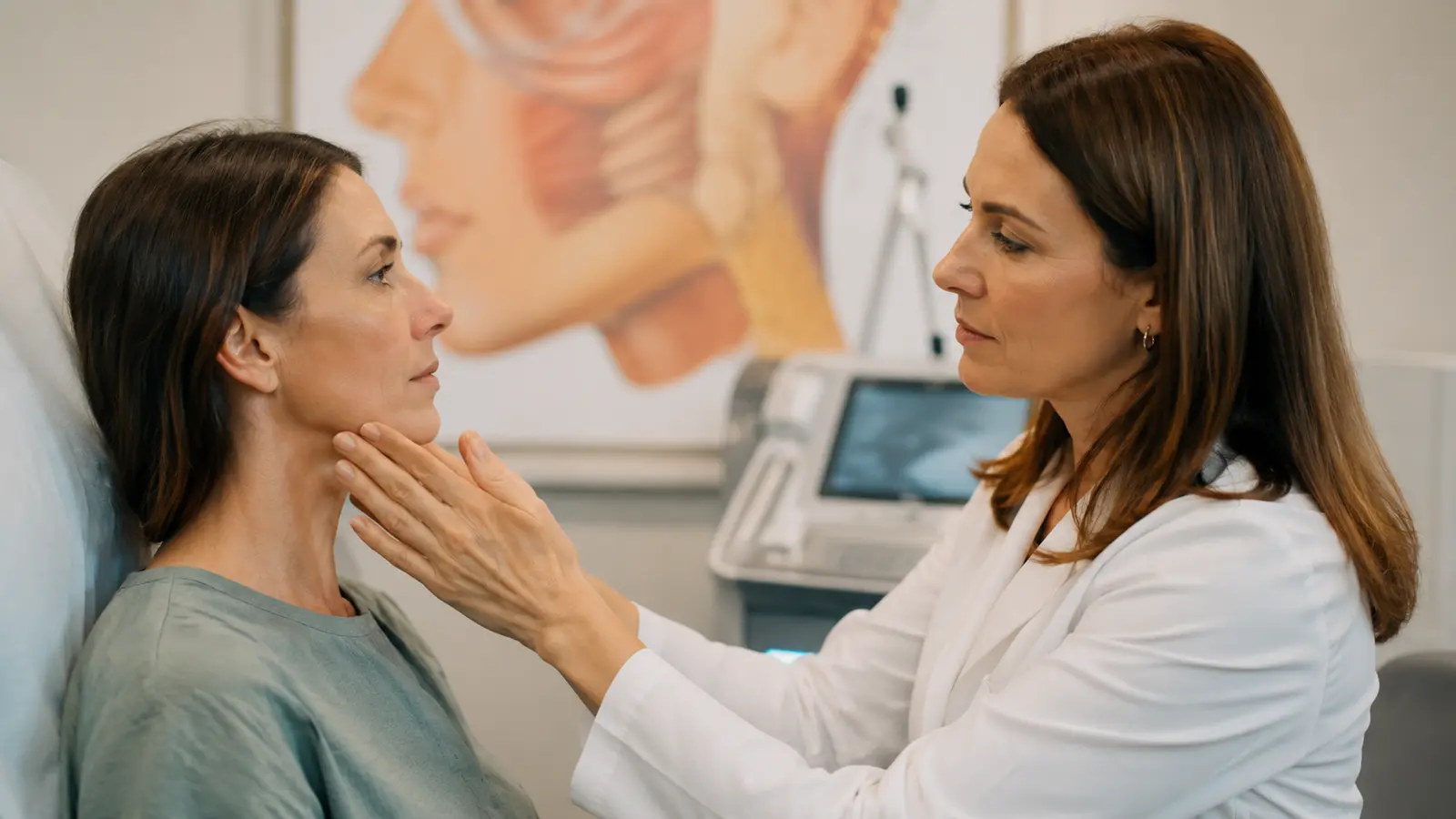
How does endolifting work?
The 1470 nm wavelength is strongly absorbed by water. A controlled thermal effect in the subdermal plane can induce collagen contraction, long-term remodeling, and volume reduction in selected adipose tissue. The result varies depending on the anatomical area, fiber thickness, treatment plane, energy parameters, and the individual’s tissue characteristics.
Who can it be considered for?
- Those with mild to moderate skin laxity
- Those with limited irregularities in the jawline or double chin contour
- Those aiming for local tissue tightening in selected facial or body areas
- Suitable patients who do not want a surgical procedure but are seeking a more limited, minimally invasive option
In cases involving pronounced skin excess, advanced sagging, strong muscle bands, or requiring surgical-level tissue repositioning, different methods may be more appropriate.
How is it planned?
Planning is carried out by evaluating facial or body anatomy, skin thickness, skin laxity, local fat distribution, and the individual’s expectations together. The treatment area, fiber plane, and energy parameters are customized according to this evaluation; the goal is to support natural contours.
Endolifting application areas
The anatomy and target tissue of each area are different. For this reason, we do not evaluate the face, neck, and body areas using the same protocol.
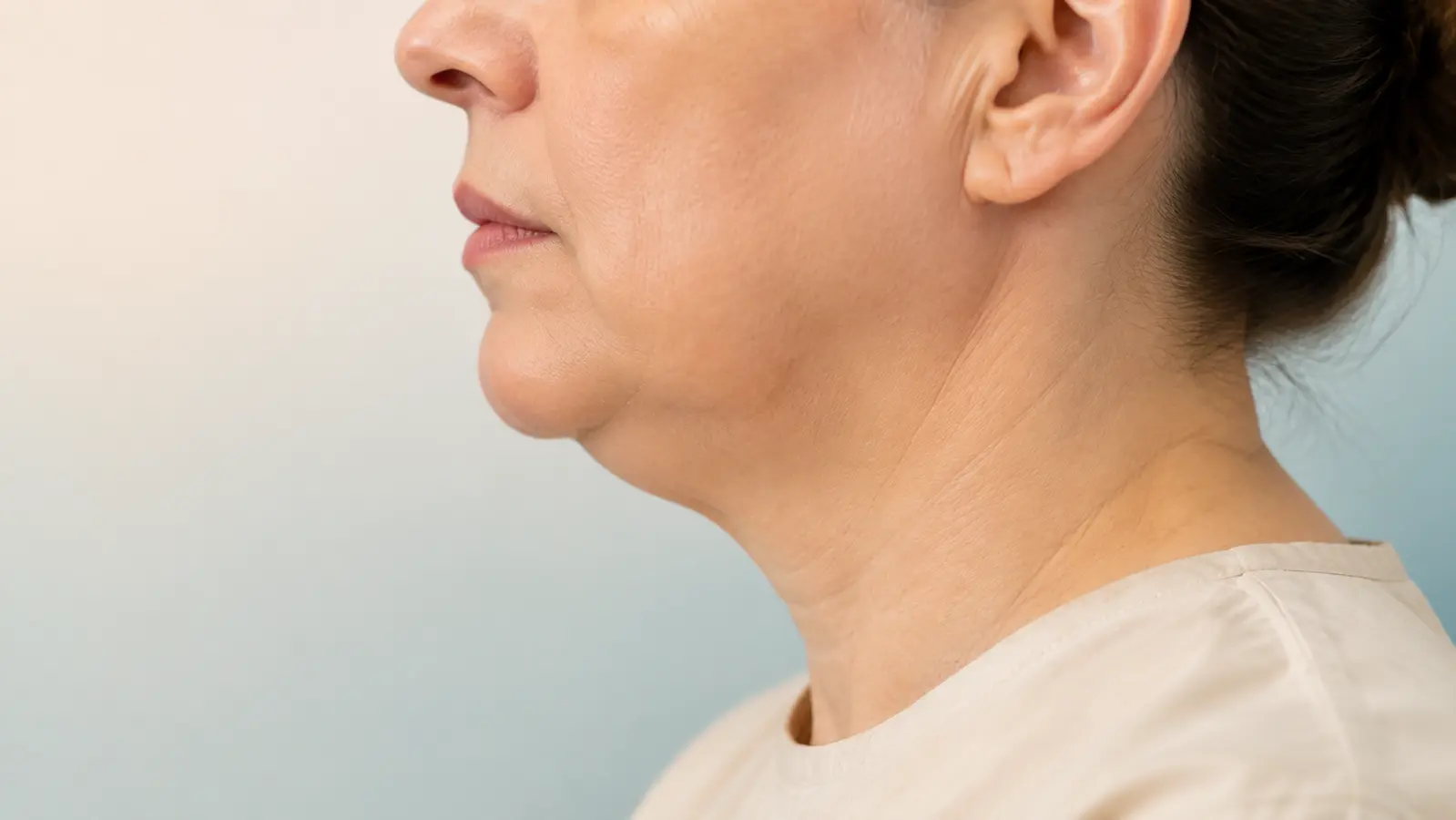 Double Chin
Submental fat, skin laxity, and the jaw-neck transition
 Jawline
Jawline definition and lower face contour
 Mid and Lower Face
Nasolabial folds, marionette area, and facial contour
 Neck
NeckNeck lines, skin laxity, and submental transition
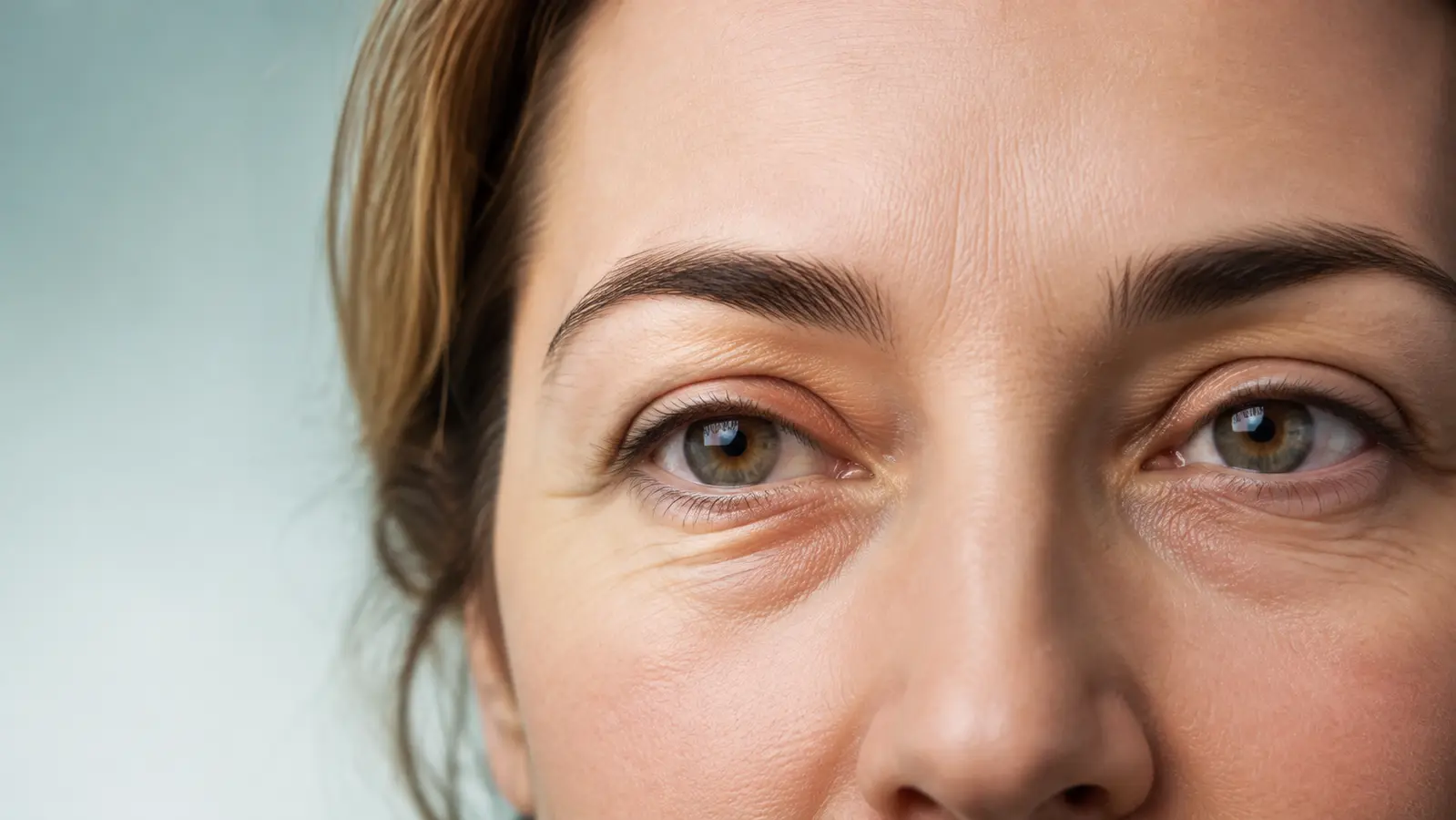 Under-Eye
Careful patient selection in delicate anatomy and ocular safety
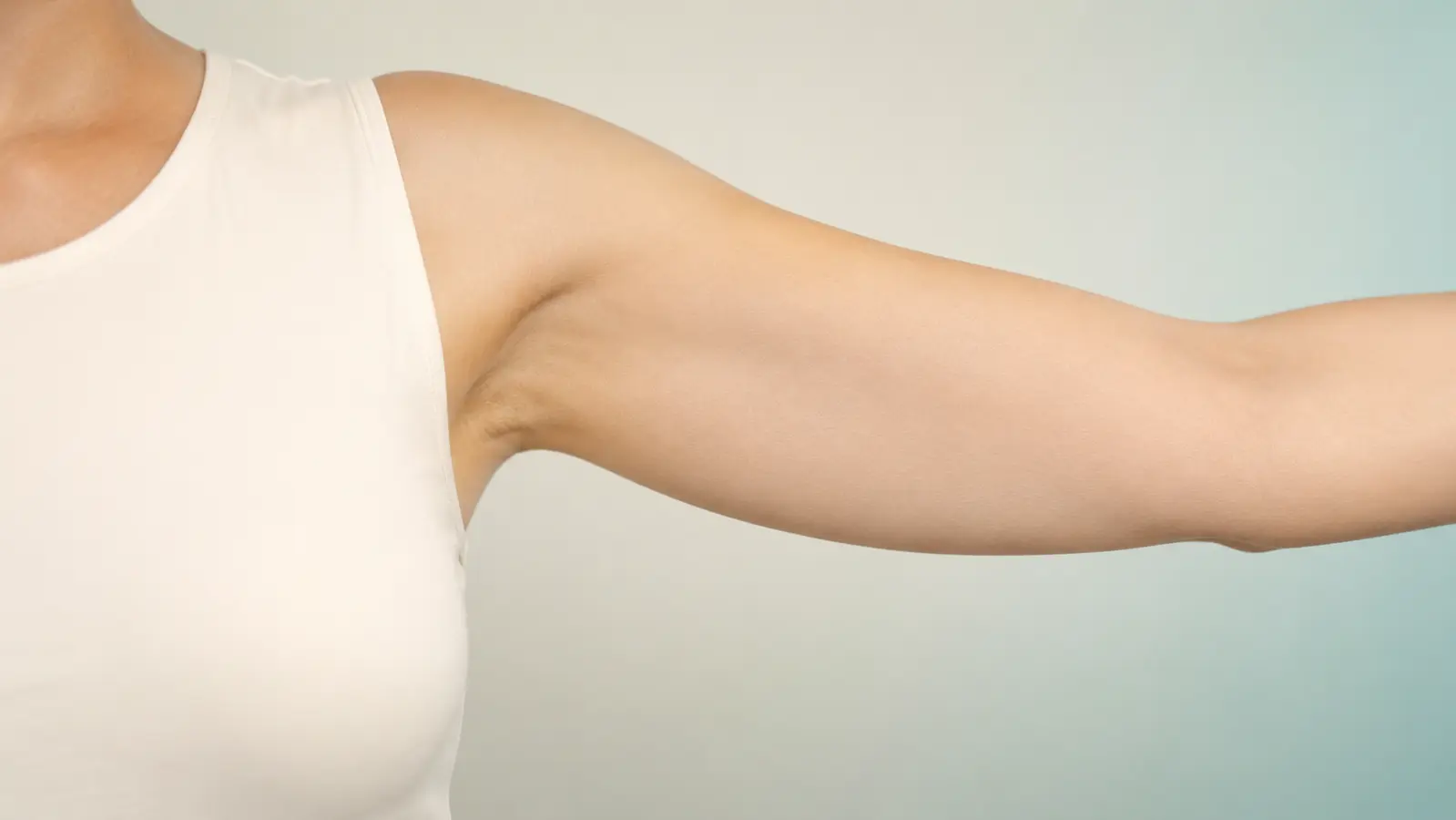 Inner Arm
Localized laxity and tissue quality
 Abdomen
Subcutaneous fat, skin laxity, and abdominal wall differentiation
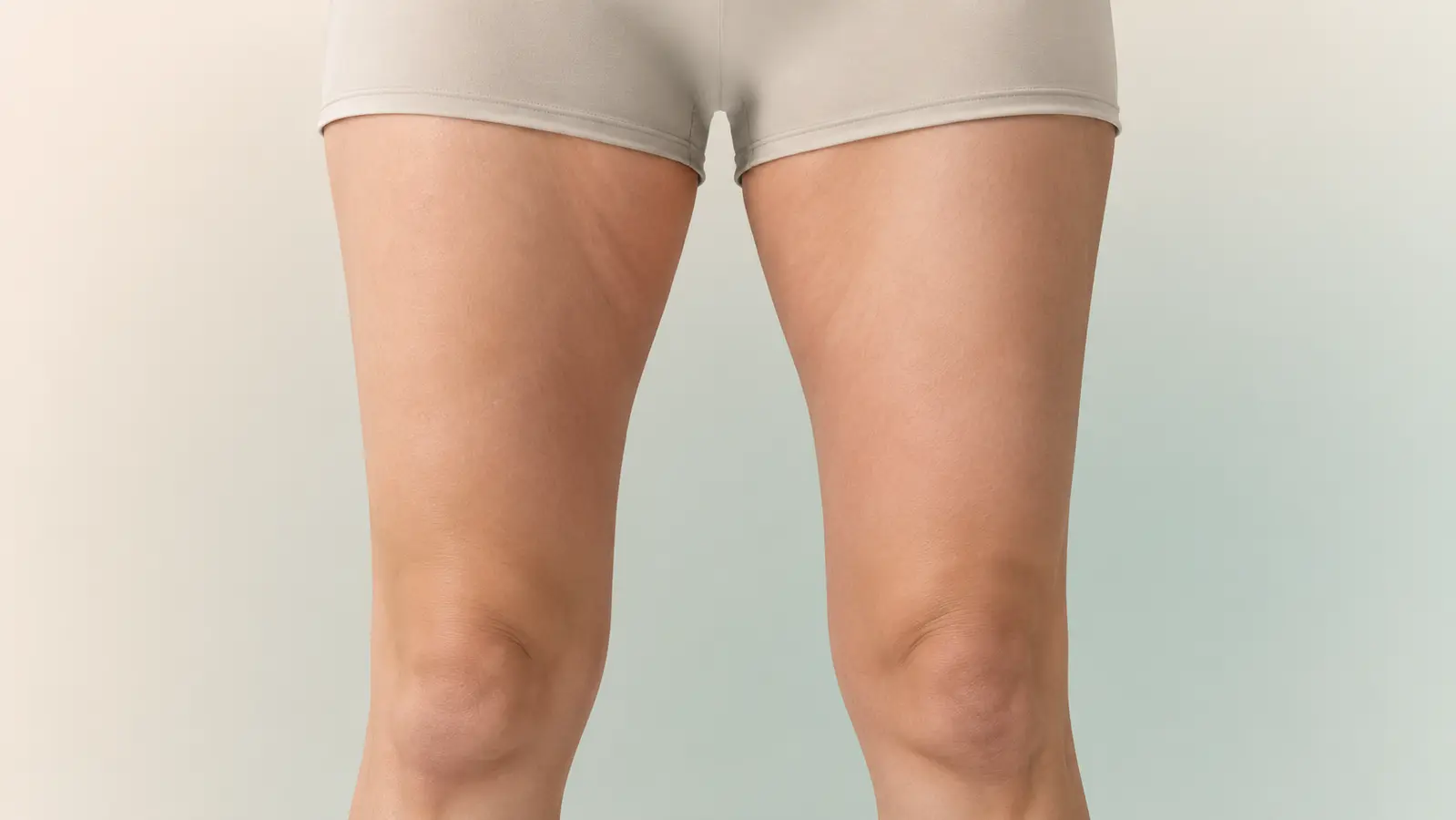 Inner Thigh
Inner thigh laxity and localized contour
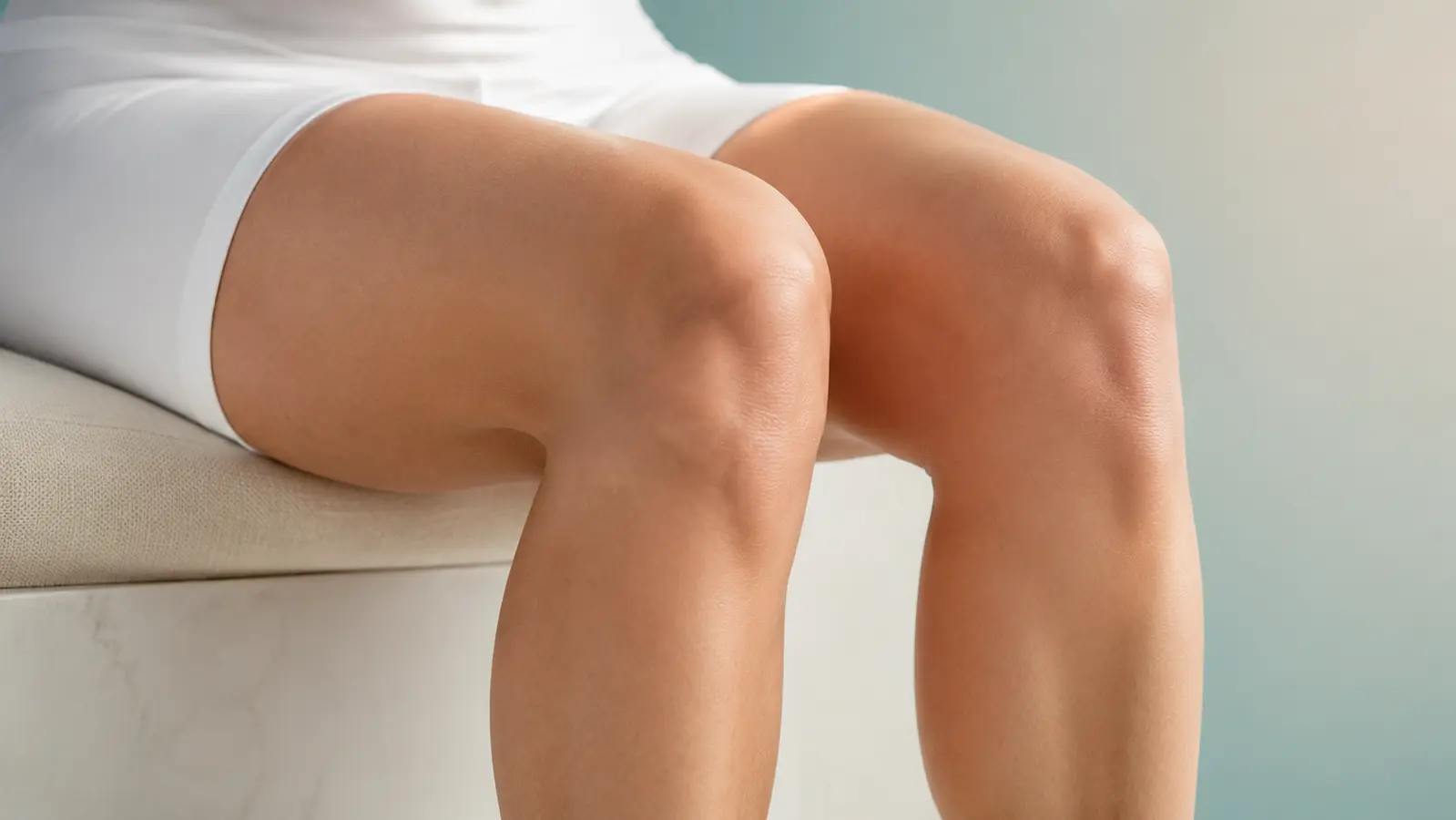 Around the Knee
Above-the-knee skin laxity and aesthetic contour
What do scientific studies show?
In a 2024 systematic review, 23 studies were evaluated, and positive clinical outcomes were reported in face-neck rejuvenation, skin laxity, and certain localized fat areas. However, a 2025 scoping review showed that only one of the 26 existing publications was a randomized controlled trial, with the vast majority consisting of case series. Therefore, while current human data are promising; more standardized comparative studies remain important in terms of energy settings, fiber technique, anatomical region, and follow-up duration.
Rather than underestimating the method, this approach helps better define in which patient group and with which technical parameters the most consistent results are achieved.
Are Endolifting and laser lipolysis the same thing?
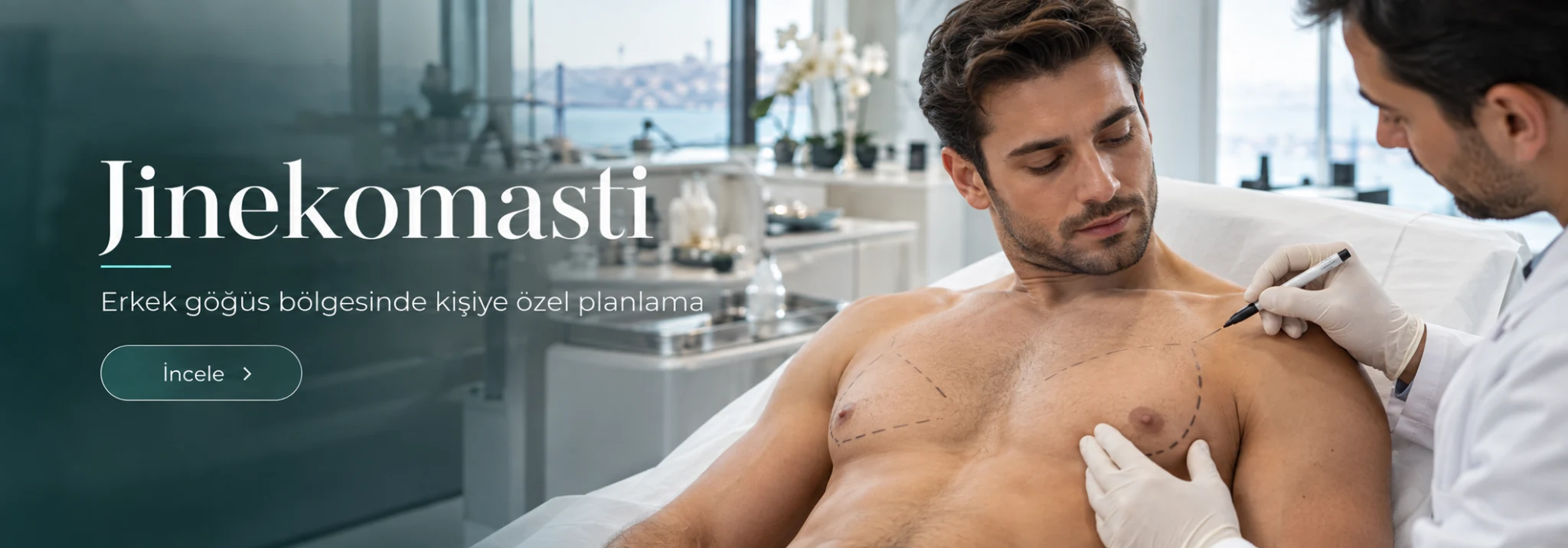
No. They are interrelated techniques, but their purpose and scope of application are not the same. While Endolifting is more commonly referred to with subdermal remodeling and tightening goals, laser-assisted lipolysis can involve more pronounced fat volume reduction and, when necessary, combinations with aspiration/liposuction. This distinction is especially important in areas such as gynecomastia.
Expected recovery process
Swelling, tenderness, bruising, tightness, or temporary numbness may be observed in the first few days. Contour changes may be noticeable in the early period; collagen remodeling develops over weeks and months. Return to daily life is planned according to the area, the scope of the procedure, and individual healing.
Safety
Safety is closely related to the correct anatomical plane, appropriate fiber, controlled energy, sterile technique, and practitioner experience. Complications such as burns, infection, contour irregularities, pigmentary changes, seroma, or nerve involvement are possible, although rare. Additional safety measures are required in special anatomical areas such as around the eyes.
Our Endolifting approach in Bodrum
First, we evaluate the anatomy of the area where the procedure will be performed, skin quality, fat distribution, previous treatments, and the individual’s actual goal. Our aim is not to apply the same laser protocol to every patient, but to create a plan that supports natural contours in the appropriate individual, at the appropriate anatomical plane, and with measured energy.
When necessary, we compare HIFU, RF microneedling, photobiomodulation, PN/PDRN, liposuction, or surgical options in the same evaluation.
Endolifting or HIFU?
HIFU is a noninvasive method that delivers focused ultrasound energy from the skin surface. Endolifting, on the other hand, is a minimally invasive laser approach in which a thin optical fiber is advanced under the skin. Localized adipose tissue, the degree of skin laxity, the targeted anatomical layer, and recovery expectations are decisive in the choice; the two methods are not one-to-one alternatives to each other.
For Endolifting evaluation and appointment information in Bodrum, you can review the appointment and contact page.
Frequently asked questions
Does Endolifting replace surgery?
It can be a minimally invasive option for mild to moderate laxity and limited contour goals. When advanced skin excess or comprehensive anatomical repositioning is required, surgery may be more appropriate.
How many sessions are required?
There is no single standard. It is personalized according to the area, tissue structure, energy plan, and goal.
When is the result evaluated?
Early contour changes may be seen in a shorter time; the tissue remodeling process takes longer. The final evaluation is made after healing is complete.
Related content
- Endolifting or RF microneedling?
- Skin rejuvenation and wrinkle treatments
- Aesthetic and energy-based procedures
References
- Nilforoushzadeh MA, et al. The Endo-lift Laser (Intralesional 1470 nm Diode Laser) for Dermatological Aesthetic Conditions: A Systematic Review. Aesthetic Plast Surg. 2024. PMID: 38886198.
- Vidal GP, et al. Scientific evidence on the impact of endolaser in aesthetics: scoping review. Lasers Med Sci. 2025. PMID: 40116960.
- Modena DAO, et al. Endolift® is a non-surgical treatment for skin tissue conditions. Is there evidence for its application? Lasers Med Sci. 2025. PMID: 39827299.
Written and medically reviewed by: Dr. Kerem Çağlayan
Last medical review: September 11, 2026
Disclaimer: This content is general health information; it does not replace an individual examination and treatment plan.
Clinical evaluation in Bodrum: to discuss whether the procedure is suitable for you, you can use the Bodrum Clinic and Appointment and Contact pages.