
By the way, I would like to make an aside: aluminum toxicity is a serious condition. It can develop due to medications, parenteral nutrition, kidney failure, or exposure in work environments . Increased drainage, chelators (binding agents), and bioresonance can be used in its treatment.
Medical Guide
Don’t Be Afraid of Your Deodorant
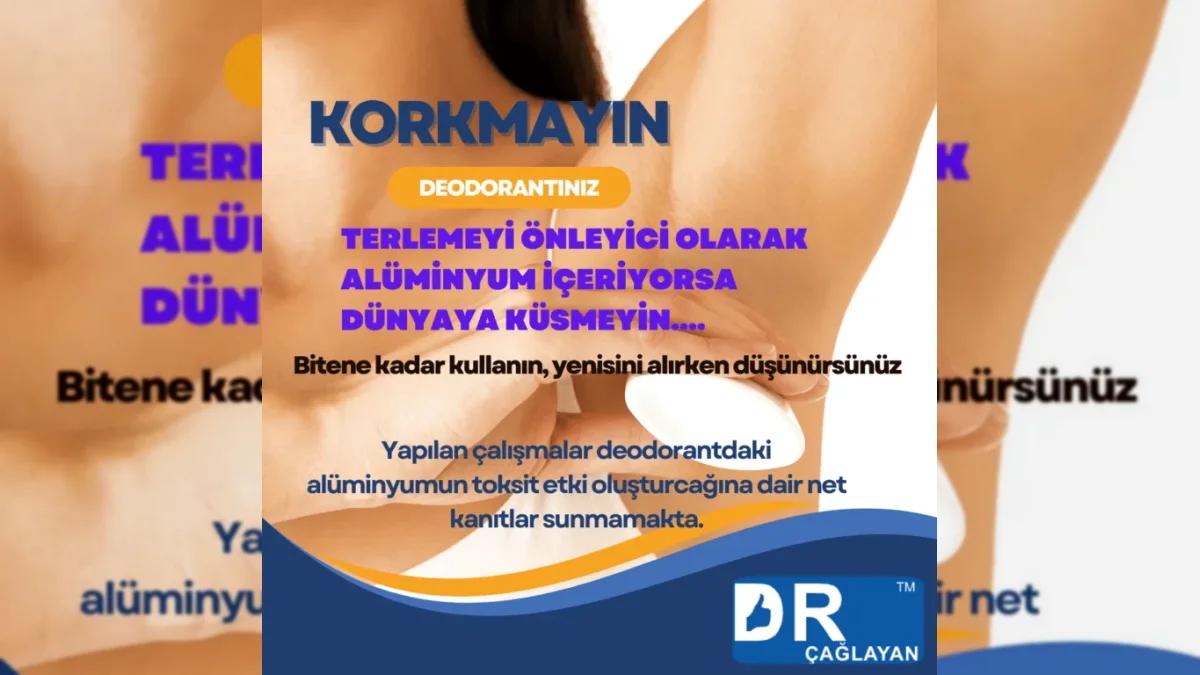
Short answerExplore the difference between deodorant and antiperspirants, common questions about aluminum content, and considerations for skin tolerance and a safe approach to daily use.
Most sweat preventers (antiperspirants) contain aluminum. Two-in-one products (both deodorant and antiperspirant) also contain aluminum. Sweat preventers help you sweat less by blocking pores. Antiperspirants contain many ingredients, including aluminum salts. Aluminum salts dissolve on the skin and melt in the pores. This blocks your pores, and some of your sweat cannot be released.
Research was conducted on whether aluminum from antiperspirants would accumulate in our bodies. It was concluded that we are probably more likely to take in aluminum from other sources, such as medications. However, no clear evidence was found directly linking aluminum in deodorant to cancers or other health conditions. Still, some of this research has led experts to say that using antiperspirants is not a good idea for everyone, especially people with severe kidney disease.
If you have a kidney condition, always check the ingredients in your products before purchasing or using them. Advocates of aluminum-free products claim that aluminum prevents you from eliminating toxins that could potentially cause cancer. However, these toxins are not eliminated from the body solely through the axillary (armpit) lymph nodes. Other areas of the skin, the kidneys, and the liver help eliminate these toxins from the body, and they are also eliminated through urine and stool.
Medical editorial information
This content has been medically reviewed and approved by Dr. Kerem Çağlayan. It is intended for general education and does not replace an individual diagnosis or treatment plan.
Related content

Medical Guide
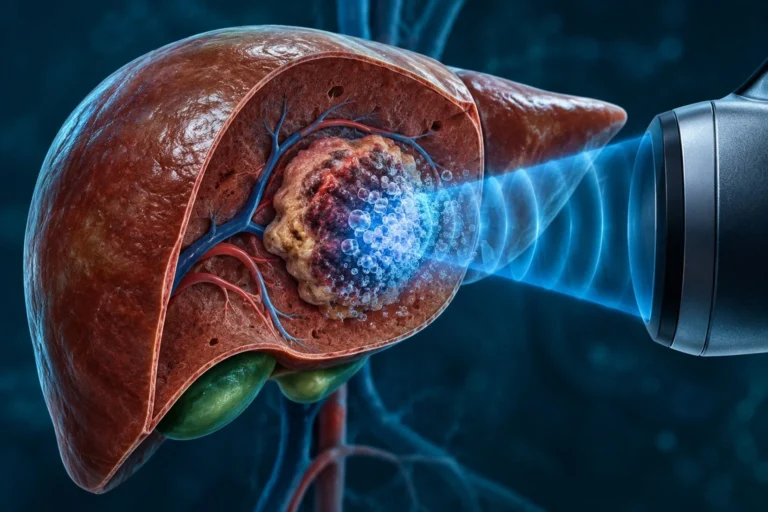
Histotripsy in Turkey: Accessibility and Clinical Application Conditions
SCIENTIFIC CONFIDENCE INDEX — 45/100Direct verification required for access information in Türkiye Brief conclusion: Histotripsy is a nonthermal ultrasound ablation used in selected liver tumors. As of October…
Medical Guide
Histotripsy: Mechanical Ablation and Scientific Evidence in Cancer Treatment
SCIENTIFIC CONFIDENCE INDEX — 65/100Early clinical evidence; comparative superiority uncertain Brief conclusion: Histotripsy is a noninvasive ablation method that mechanically destroys liver tumors without heating by creating controlled…
Content
CliNext – Privacy Policy and KVKK Clarification Text
Clarification regarding the CliNext clinical follow-up system, patient records, WhatsApp communication, processing of health data, artificial intelligence-supported evaluations, and rights under the KVKK.