What did the 2026 study show?
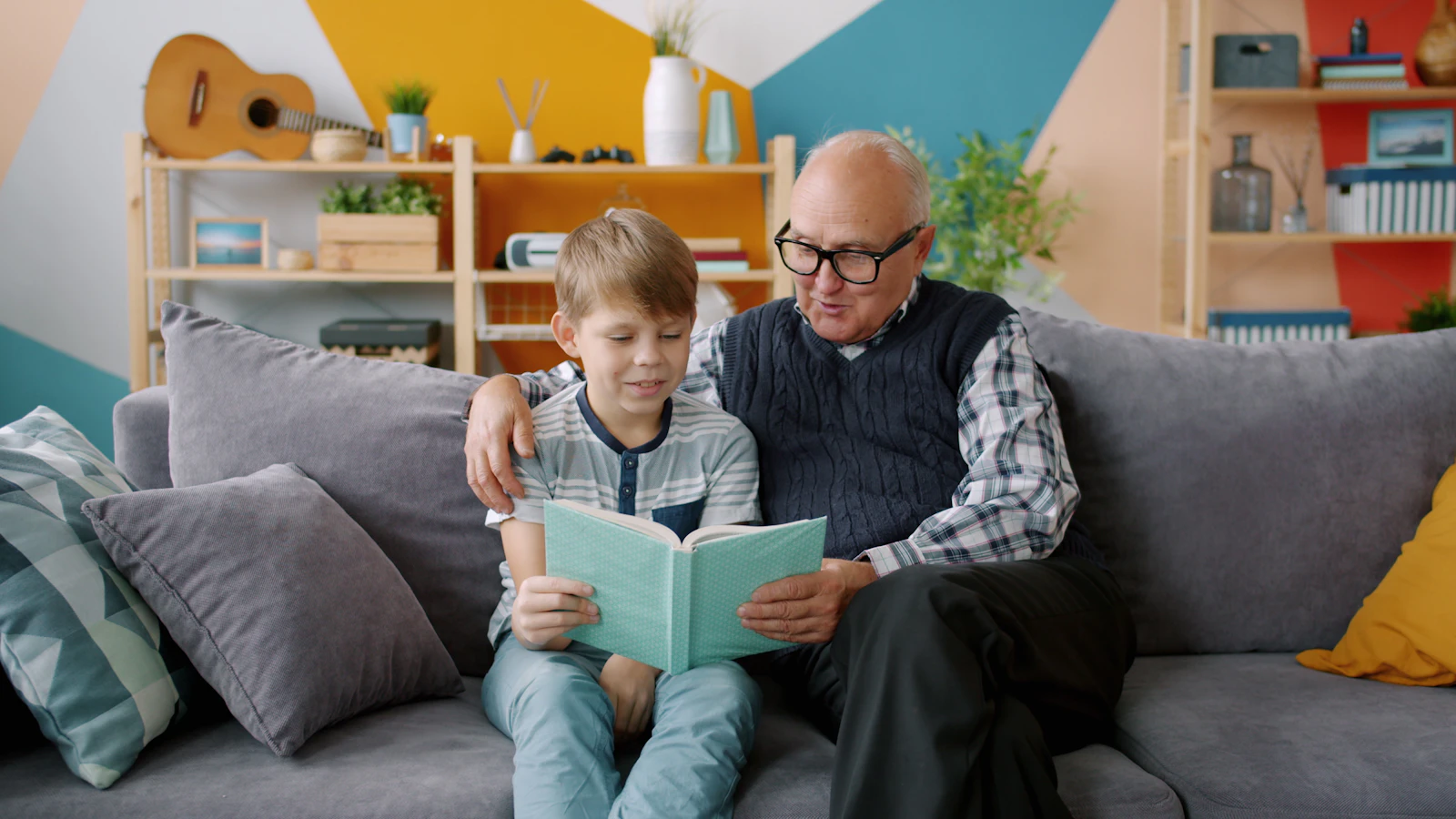
In a 2026 analysis published in Psychology and Aging, more than 1,700 grandparents aged 50 and older from the English Longitudinal Study of Ageing data were evaluated. Those providing grandchild care demonstrated higher levels of verbal fluency and episodic memory compared to matched non-caregivers. Slower cognitive decline, on the other hand, was observed particularly in the grandmother group.
Is more frequent caregiving better?
No. In the same study, caregiving frequency did not predict cognitive function. In addition, individuals with higher baseline cognitive levels were found to participate more in a wider variety of activities, such as homework help and shared leisure activities. This strengthens the possibility of reverse causality: healthier individuals may already be more active grandparents.
Potential mechanisms
- Social connection: reduction of loneliness and social isolation.
- Cognitive stimulation: conversation, play, planning, storytelling, and homework support.
- Physical activity: moving with children and an increased daily routine.
- Purpose and meaning: an active role within the family supporting psychological resilience.
- Emotional reward: positive social interaction and belonging.
Not every form of caregiving is the same
Intermittent and voluntary grandchild care does not impose the same physiological burden as full-time or custodial caregiving. Intensive caregiving can increase risks such as sleep disturbance, financial stress, chronic fatigue, and neglect of one’s own healthcare.
Does it reduce the risk of dementia?
Current data indicate an association, not a direct protective therapeutic effect. Numerous variables play a role in dementia risk, such as physical activity, hypertension, diabetes, hearing loss, smoking, education, social isolation, and depression. Spending time with grandchildren may be a socio-cognitive part of this broad lifestyle network.
What might be more meaningful as “brain exercise”?
Instead of passive caregiving, multicomponent activities such as conversing, reading books, preparing meals together, playing games, walking, and teaching or learning new things provide greater social, cognitive, and physical stimulation. However, presenting this as a prescription or a dementia-preventive treatment is not accurate.
Healthy aging perspective
Longevity does not consist solely of biomarkers. Social connection, independence, a sense of purpose, and cognitive function are fundamental components of “healthspan.” For family relationships to be protective, the burden must be sustainable and balanced with the individual’s own health.
Related reading
Healthy Aging and Biological Age · Longevity Approach
References
- Chereches FS, Olaru G, Ballhausen N, Brehmer Y. Grandparents’ cognition and caregiving for grandchildren: Frequency, type, and variety of activities. Psychol Aging. 2026;41(4):429-443. DOI: 10.1037/pag0000958.
- Caputo J, Cagney KA, Waite L. Keeping Us Young? Grandchild Caregiving and Older Adults’ Cognitive Functioning. J Marriage Fam. 2024;86(3):633-654. DOI: 10.1111/jomf.12945.
Last medical review: September 25, 2026